
25 Jun 2026
Best Oils for Lips: Natural Alternatives That Actually Work

It usually starts on a cold morning. We take a sip of coffee, swipe on lipstick, and suddenly our lips feel tight, uneven, and harder to manage than they should be.
No matter how often we reapply, the comfort doesn’t quite last. This is where lip oils come in, offering a smoother, more flexible finish that feels comfortable, looks naturally glossy (not greasy), and fits into routines we can actually maintain.
Before we get into specific oils, it helps to understand why they’ve become such a go-to in lip care routines. Oils for lips offer a different experience from traditional balms; they add slip, create a smoother-looking finish, and feel lighter when applied correctly.
In this guide, we will break down how they work as an alternative or addition to balms, how to choose the right one based on texture and season, and how to apply them so they last without feeling heavy.
Are Oils Actually Better Than Lip Balm?

This is usually the first question, and the answer is more about balance than replacement.
Lip oils help create a smooth, glossy finish while making lips feel softer and more even. They sit lightly on the surface and add flexibility to the texture. Lip balms, on the other hand, often include waxes that create a stronger barrier.
In colder weather or dry conditions, we’ve found that combining both works best. A balm can act as the base layer, while oil sits on top to add comfort and a more natural-looking finish.
Understanding this pairing makes everything else easier to build.
Why Lips Need a Different Kind of Hydration
Before choosing products, it helps to understand why lips behave differently from the rest of the skin.
Lips don’t have oil glands, which means they lose moisture faster. Add wind, indoor heating, and everyday habits like licking your lips, and dryness shows up quickly.
This is why layering becomes important. We start with a light hydrating base, then add an oil or balm to help maintain that comfortable feel. Oils work especially well as a top layer because they create a smoother finish without feeling heavy or overly structured.
With this in mind, choosing the right oil becomes much simpler.
What to Look for in a Lip Oil
Before picking an oil, we focus on a few details that make a real difference in everyday use.
Single-ingredient clarity is usually the best place to start. It keeps things simple and reduces the chance of irritation. Texture matters too; some oils feel lightweight and absorb quickly, while others feel more cushiony and stay on the lips longer.
We also pay attention to scent and taste, especially for daytime use. Subtle options tend to feel more comfortable. Packaging matters as well; droppers or rollers make application easier and more controlled.
Freshness is another key factor. We should store oils in a cool, dark place and replace them if the scent changes.
Once these basics are covered, choosing becomes much more intuitive.
The Best Oils for Lips
When choosing between options, we usually start with jojoba oil for lips and build from there based on texture preference.
1. Jojoba Oil (Lightweight, “Feels Like Skin”)
We reach for jojoba oil when we want something simple and reliable. It feels lightweight and close to the skin’s natural balance, which makes it easy to use daily.
It layers well under lipstick and doesn’t feel heavy. While it may need more frequent reapplication, it stays comfortable and predictable throughout the day.
Before moving to richer options, this is often the easiest starting point.
2. Argan Oil (Silky, Gloss-Like Finish)
Argan oil sits slightly richer but still feels refined. It works well when lips look dull and need a subtle, polished sheen.
We use a small amount and press it in gently, which helps create a smooth finish without stickiness. It’s especially useful during colder days when lips need a bit more cushion.
This adds a step up in richness without feeling overwhelming.
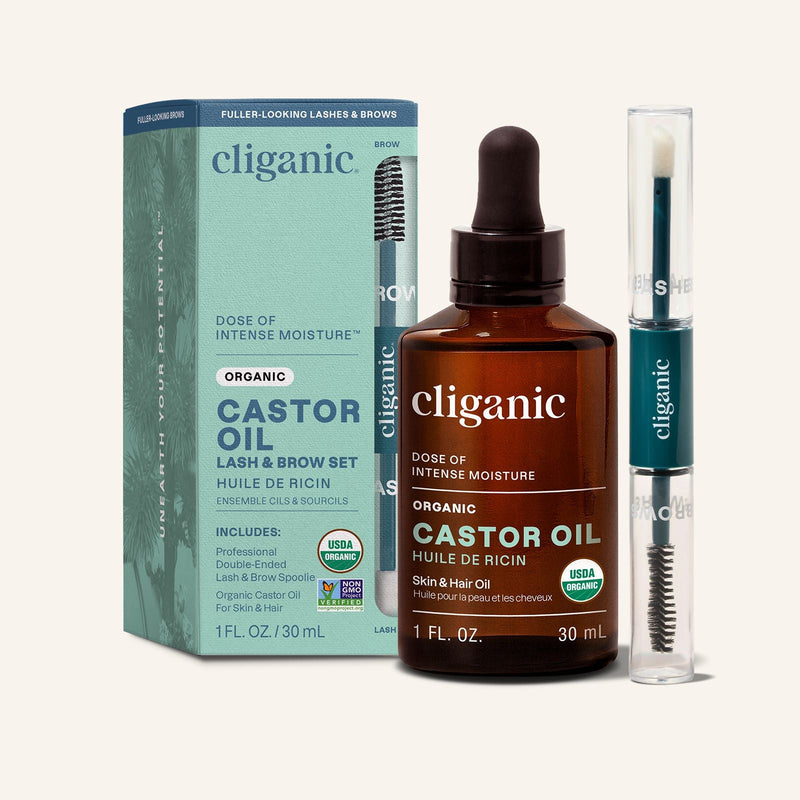
3. Castor Oil (Cushiony, Longer-Lasting Shine)
Castor oil has a thicker texture, which helps it stay on longer. We use it as a top layer or mix it with lighter oils for balance.
A very small amount is enough to create a more protective, glossy finish. Using too much can feel heavy, so we keep the application controlled and minimal.
This makes it a good option when longevity matters.
4. Rosehip Oil (Night-Friendly Comfort)
Rosehip oil is lighter but still feels nourishing, especially in a nighttime routine.
We press a small amount onto the lips before bed to maintain a softer feel by morning. It absorbs more easily and doesn’t sit heavily on the surface. This makes it ideal for low-effort, end-of-day care.
With these options in mind, the next step is learning how to use them properly.


How to Use Oils for Lips
When using oils on the lips, we focus on small, consistent steps to help the finish last longer.
1. Prep (Gentle Only)
We start with a warm washcloth pressed gently onto the lips for about ten seconds. This helps soften the surface without causing irritation or over-exfoliation. We avoid harsh scrubs or aggressive rubbing, since they can make lips feel more sensitive rather than smoother.
This step creates a clean, even base before applying anything else.
2. Hydrate First
We apply a thin layer of balm or a simple moisturizer before using oil. This step helps create a base layer so the lips don’t feel tight underneath. We avoid strong or active ingredients here, keeping it simple and comfortable.
Once this layer is in place, the oil has something to sit on and lasts longer.
3. Seal with Oil
We use one drop or less, gently tap it onto the lips, then press them together to spread it evenly. Using too much can make the finish feel heavy or slippery, so we keep the application minimal.
A light layer creates a smoother, more controlled finish that feels comfortable throughout the day.
4. Adjust for Day and Night
During the day, we use lighter oils in very small amounts so the finish stays subtle and easy to manage. At night, we can apply a slightly richer layer and blot once to remove excess. This small adjustment helps maintain comfort without making the routine feel heavy or complicated.
With these small adjustments, the routine becomes easier to maintain and feels more consistent throughout the day.
Choose Your Best Match
Choosing the right oil becomes easier when we match it to how we actually use it day to day.
-
If you wear lipstick often, lighter options like jojoba or argan work well underneath, with oil added on top only when needed.
-
If you spend more time outdoors, layering balm with a small amount of castor oil can create a more protective feel.
-
If you prefer a non-sticky finish, choose the lightest oil, use just one drop, and blot once to keep everything balanced.
For those sensitive to scent, single-ingredient oils tend to be the most comfortable choice.
Troubleshooting (Common Lip Oil Problems)
Even with a simple routine, we may need to adjust based on how the oil feels throughout the day. If it slips off too quickly, we usually need a balm underneath, or we may be using too much oil. If it feels greasy, reducing the amount or switching to a lighter option often helps.
If the taste feels uncomfortable, choosing a more neutral, single-ingredient oil can make a difference. And if lips still feel tight, we focus on adding a hydrating layer first and avoid habits like frequent licking, which can make dryness worse.
FAQs
Can we use oil alone?
Yes, but it often works better layered over balm, especially in dry conditions.
How often should we reapply?
Whenever lips feel less comfortable, typically after meals or drinks, it's advisable to apply the oil.
Will oils stain?
Most oils don’t stain, but we avoid applying them right before any contact with fabrics.
What’s the easiest oil to start with?
Jojoba oil is usually the most beginner-friendly option.
A Simple Lip Routine That Sticks

The best routines are the ones we actually follow. Oils for lips work best when we keep things simple, use a small amount, and stay consistent.
We can start with one versatile oil, keep it within reach, and build from there. If you’re exploring options, Cliganic’s single-ingredient carrier oils are known for their clarity, third-party testing, and now GC/MS testing for added quality verification. This makes it easier to create a routine that feels both reliable and effortless.
Explore Cliganic products for your routine today!


