
04 Mar 2026
How to Use Essential Oils for Relaxation: Blends, Diffuser Recipes, and Tips

Imagine it’s the end of the day and your body is home, but your brain is still clocked in. Your shoulders feel tight, your thumbs keep doomscrolling, and sleep feels far away. The fix doesn’t need to be complicated. It can be as simple as a wind-down that works best when it’s repeatable: pick one scent lane, run short diffuser sessions, and, optionally, dilute a gentle roll-on.
In this blog, we will walk through an easy, weeknight-friendly plan for relaxation using essential oils so your evenings feel calmer without turning self-care into another task. You’ll learn how to choose oils by mood, blend safely with simple ratios, and follow a short routine you can repeat nightly. We’ll share eight beginner diffuser recipes, plus an optional roll-on if you like a hands-on cue.
We’ll also point you to helpful product categories like starter sets, single oils, and lightweight carriers so you can keep things simple.
Why Scent Helps You Wind Down
Scent works best as an environmental signal. When the room smells familiar and soft, your body gets the message that it’s time to switch gears. The goal isn’t to force sleep. It’s to create a calmer-feeling space and a consistent ritual that your nervous system recognizes.
Relaxing blends tend to follow a pattern: softer florals for comfort, gentle woods for quiet, and a small, bright top note to keep the scent from feeling heavy. Keep expectations realistic. Aroma sets the mood; your habits finish the job. That’s why short, repeatable sessions beat long, overpowering ones.
Safety First: Use Essential Oils for Relaxation Well

Start small and stay consistent. For diffusers, begin with 2-4 drops total and run for 20-60 minutes. Ventilate between sessions to keep the scent light. For topical use, always dilute in a carrier oil. Aim for 0.5-1% on the face and 1-3% on the body, and patch test before first use.
Avoid eyes and keep oils out of reach of children and pets. If you’re pregnant or nursing, have asthma or allergies, or take medications, consult a professional first. Store bottles tightly capped in a cool, dark place and replace if the scent or texture changes. These basics make essential oils for relaxation feel supportive and never overwhelming.
Choose Your “Relaxation Lane”
Pick one lane and stick with it for a week. Familiarity is part of what makes it feel calming.
-
Cozy and Soft: A floral base with a gentle and comforting note.
-
Fresh and Clean: A floral anchor with a light citrus lift that stays gentle, not sharp.
-
Grounded and Quiet: A woody base with a floral accent, best for late evenings.
Tip: Switching scents nightly can lead to scent fatigue. Commit to one lane so your body learns the cue.


Beginner-Friendly Diffuser Recipes
Keep these small-room-friendly scents with you. Scale up by drops only if needed.
-
Soft Night: 3 drops of lavender oil and 1 drop of cedar or other soft woody oil.
-
Fresh Reset: 2 drops of lavender oil and 2 drops of lemon-based oil.
-
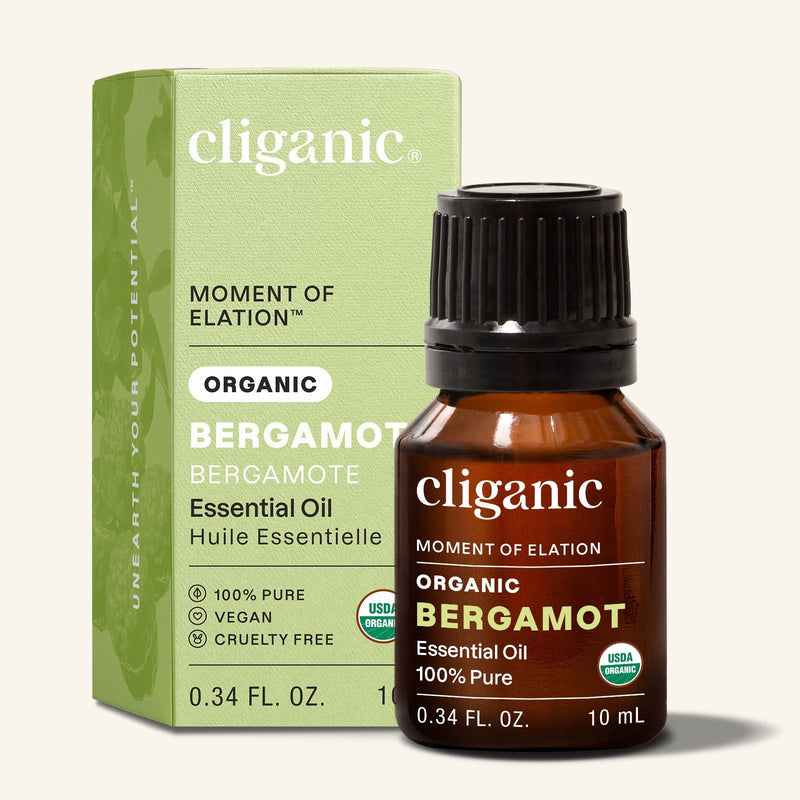
Quiet Focus: 2 drops of lavender oil, 1 drop of frankincense oil, and 1 drop of bergamot oil (diffuser only).
-
Warm Cozy: 3 drops of lavender oil and 1 drop of sandalwood oil.
-
Rainy Evening: 3 drops of lavender oil and 1 drop of eucalyptus oil, if it can be tolerated.
-
After-Dinner Calm: 2 drops of lavender oil, 1 drop of orange oil, and 1 drop of woody oil.
-
Sunday Slowdown: 3 drops of lavender oil and 1 drop of chamomile oil, if available.
-
Low-Light Lounge: 2 drops of lavender oil and 2 drops of woody oil.
With these easy-to-follow recipes, create your own relaxation vibe with Cliganic.
Roll-On Blends: Wrist/Neck Perimeter Recipes

If you like a tactile cue, a gentle roll-on keeps things subtle. Use a 10 ml bottle with a light carrier such as jojoba. Keep it mild: a 1% blend equals 2 drops total per 10 ml.
-
Soft Wrist Blend: 2 drops of lavender oil in a 10 ml carrier.
-
Grounded Blend: 1 drop of lavender oil and 1 drop of woody oil in a 10 ml carrier.
Apply only to the wrists, avoiding the face and eyes. Perform a patch test and discontinue if irritation occurs. Store the roll-on capped and away from heat.
The 3-Step Wind-Down Routine
Short, consistent cues work better than big resets. Build your routine with a diffuser once and repeat it nightly.
-
Dim and Diffuse (5 minutes): Lower the lights. Start the diffuser on a 20-30 minute timer. If the room feels stuffy, crack a window briefly so the scent stays soft.
-
Body Cue (5 minutes): Choose one simple action: a warm shower, a gentle stretch, or a quick hand massage with unscented lotion. Keep it easy.
After you turn the diffuser off, hydrate. Perform one quiet activity like reading or tidying your space. Consistency beats intensity when using essential oils for relaxation.
Troubleshooting: Why It Doesn’t Feel Relaxing Yet
If it’s too strong, reduce the number of drops and shorten the run time. If timing is off, start earlier, about 30-60 minutes before bed. If you’re scent-fatigued, pick one lane for a full week and stop mixing too many oils.
If you’re sensitive, diffuse a single oil and keep ventilation gentle. Still wired? Add a non-scent cue like dimmer lights or screens away to support the ritual.
FAQs
How many drops should I use?
Start with 2-4 drops in total. Adjust slowly based on room size and comfort.
Can I diffuse all night?
Short sessions with fresh-air breaks work best when it comes to diffusing.
Can I apply oils without any dilution?
Always dilute essential oils in a carrier oil.
What’s the easiest starter kit?
A small set with one floral-based oil, one wood-based oil, and a lightweight carrier oil.
Relaxation with Essential Oils
Relaxation routines work when they’re easy to repeat. Choose one scent lane, keep diffuser sessions short, and build a wind-down you’ll actually do on weeknights.
If you’re setting this up at home, start with lavender oil, one soft, wood-based oil, and a light carrier oil.
Explore Cliganic’s curated aromatherapy set to make relaxation with essential oils feel like a natural part of your evening, not another checkbox.


