
15 May 2026
Essential Oils That Repel Mosquitoes: How to Use Them and What Actually Works

It usually starts on a warm evening, when we step outside for dinner, a quick walk, or a few quiet minutes on the balcony, and within moments, the interruptions begin. Swatting, shifting, and trying to relax while mosquitoes seem to have other plans.
This is where essential oils that repel mosquitoes come in, not as a perfect solution, but as a practical way to make outdoor spaces feel more comfortable. In this guide, we’ll cover what works, how to use them safely, and how to build a routine that’s easy to repeat.
We also explain how essential oils that repel mosquitoes fit into real routines, the difference between scent and full protection, and how to use them through simple methods while adjusting for kids, pets, and sensitivity.
Do Essential Oils Actually Repel Mosquitoes?
Some essential oils are commonly used because their strong botanical aromas can make outdoor spaces feel less inviting to mosquitoes. That said, results vary depending on conditions like wind, humidity, and how the oils are used.
The most reliable approach is layering. We use essential oils that repel mosquitoes to create an ambient scent around seating areas, then pair that with practical steps like clothing coverage, airflow, and placement strategies. Rather than relying on one method, combining a few simple habits tends to create a more comfortable experience overall. If you’re building a simple setup, we’ll also point you toward options like Cliganic’s outdoor essentials and how they fit into a DEET-free mosquito repellent routine.
How Mosquito Repellency Works
Before choosing oils or methods, it helps to understand what’s actually happening.
Botanical aromas can help mask or compete with the cues mosquitoes use to locate people. However, outdoor conditions make this more challenging. Wind, heat, and movement can reduce how long a scent stays noticeable in a space.
This is why format matters more than simply adding more drops. Placement, timing, and reapplication play a bigger role than intensity. We focus on creating a small, comfortable “zone” rather than trying to affect an entire area.
Keeping expectations realistic helps us build a routine that actually works.
The Oils People Use Most (and Why)

Before setting up a routine, it helps to know which oils are commonly used and why.
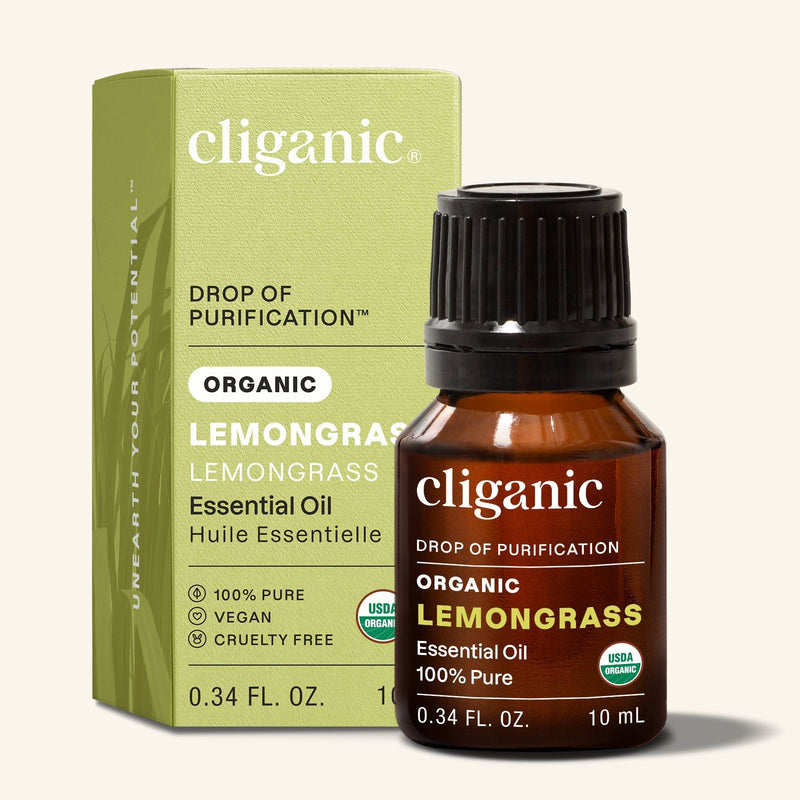
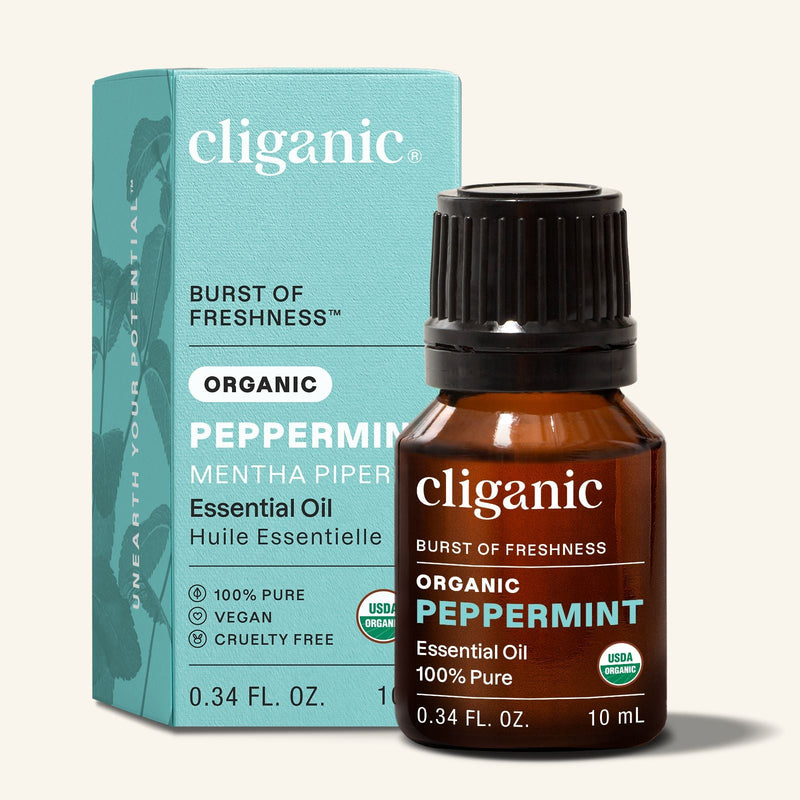
Citronella, lemongrass, eucalyptus, and peppermint are among the most widely used options, especially citronella oil for mosquitoes, due to their strong, distinctive aromas. These oils are often chosen for outdoor use, where a noticeable scent can help shift the atmosphere around seating areas.
We usually use them in short sessions rather than continuous diffusion. Lighter, citrusy oils may fade more quickly outdoors, so reapplying or refreshing the setup becomes part of the routine.
Starting with one oil at a time helps us understand what feels comfortable before blending or layering.

The 4 Most Effective Ways to Use Essential Oils
When using essential oils that repel mosquitoes, we focus on simple methods that are easy to repeat.
Outdoor Diffuser Near Seating (Short Sessions)
We place a diffuser near where we’re sitting, using two to four drops to start. It’s best to keep it on a stable surface, away from food and the reach of children.
We run it for about 20 to 30 minutes, then pause and allow fresh air to circulate. Pairing this with a fan can help move the scent gently across the space.
This creates a small, more comfortable zone rather than trying to cover everything.
“Entryway Bubble” Setup
We set up a diffuser near doors or patio entrances before stepping outside. This helps create a transition zone where scent is present before we fully move into the outdoor space.
Keeping doors closed and using screens adds another layer of control.
This method works well as a first step before combining other approaches.
Clothing-First Layer (Patch and Gear Placement)
We use clothing-based options, such as Cliganic’s patches, when available, attaching them to clothing, bags, or strollers as directed. This keeps the approach hands-off and easy to manage.
Pairing this with ambient scent from oils creates a more balanced setup.
This combination works especially well for gatherings or travel where simplicity matters.
Travel Kit for On-the-Go
We keep a small setup ready, like a cotton pad in a sealed pouch with a drop of oil. Opening it briefly provides a quick scent refresh when needed.
We make sure oils are stored properly, away from heat, and always avoid applying them directly to the skin without dilution.
This makes it easier to stay consistent outside the home.
With these methods in place, the routine becomes much more manageable.
Using Essential Oils: Family and Pet Safety
Before using any essential oils outdoors, we take a few precautions.
We keep oils and diffusers out of reach of children and pets, and we use fewer drops in well-ventilated spaces. Short sessions tend to feel more comfortable than continuous use.
For families, it’s important to follow usage guidance for any additional products, such as patches. If anyone is pregnant, nursing, or under medical care, consulting a professional is a good step before introducing new products.
For scent-sensitive households, we stick to one oil at a time and stop if anything feels uncomfortable.
These small steps help keep the experience safe and balanced.
What Actually Helps Most (The “Layering” Checklist)
Once everything is set up, consistency matters more than intensity.
We start early, before peak mosquito times, so that the environment is already prepared. Clothing choices such as long sleeves and lighter colors can help reduce exposure. Fans and screens add another layer by improving airflow and limiting entry points.
We combine tools rather than relying on one method: patches for clothing, short diffuser sessions for ambiance, and simple environmental adjustments.
Reapplying lightly over time works better than using too much at once.
This layered approach is what makes the routine feel effective and manageable.
FAQs
How many drops should we use?
We start with two to four drops and adjust gradually based on space and comfort.
Can we apply oils directly to the skin?
No. We always dilute with a carrier oil and patch test before use.
Do we need patches, too?
They can be a helpful addition, especially for a more hands-off approach.
How long does it last outdoors?
It varies. Wind and heat can reduce how long scents stay noticeable, so shorter sessions work best.
A Simple Outdoor Routine That Works

Outdoor time should feel easy, not like something we have to manage constantly. When we keep things simple with one oil, short sessions, and a layered approach, it becomes much easier to stay consistent.
If you’re building your setup, exploring Cliganic’s essential oils and outdoor options can be a practical place to start. With their focus on single-ingredient clarity, third-party testing, and GC/MS testing for added verification, it becomes easier to create a routine where essential oils that repel mosquitoes fit naturally into your everyday summer plans.


