
30 Apr 2026
What Is a Carrier Oil and Why Is It Important to Skincare?

You might have an essential oil sitting on your bathroom counter and have seen plenty of DIY blends online. Then the questions start to come up. How much is too much? Can it be applied directly to the skin? Is that tingling feeling normal?
This is where carrier oils stand on their own. They’re not just an add-on, they’re a core part of a clean, ingredient-first skincare routine. From helping soften dry skin to improving the look and feel of hair and brows, carrier oils offer a straightforward, multipurpose approach to everyday care. In this blog, we’ll break down what carrier oils are, why they matter on their own, and how to choose one that fits naturally into your routine without overcomplicating it.
What You’ll Learn and How This Guide Helps
If you’ve ever wondered how to use carrier oils safely, this blog is your starting point. We’ll explain what carrier oils are, why they matter for skin comfort, and how they help dilute stronger oils, making the application feel balanced. We’ll also learn simple dilution rules for face and body, how to patch-test properly, and how to choose among popular options like jojoba, sweet almond, and fractionated coconut.
Keeping things practical and straightforward, with clear steps that make carrier oils for skin feel simple, approachable, and easy to incorporate into everyday routines.
What Is a Carrier Oil?
Carrier oils are plant-derived oils used to “carry” essential oils onto the skin safely. Essential oils are highly concentrated. On their own, they can feel intense, but when diluted in carrier oils, they’re spread more evenly, reducing the chance of irritation and making application smoother.
They also work beautifully on their own. Many people use them as a final step to soften dry areas or add a lightweight seal over moisturizer. Think of them as both a buffer and a multitasker, supporting comfort while fitting seamlessly into daily routines.
Why Carrier Oils Matter in Skincare
Carrier oils play an important role in making routines feel more comfortable and balanced for everyday skincare. One of their main benefits is dilution. By blending essential oils with a carrier oil, we reduce their intensity, making the skin less likely to react.
They also improve the application. Carrier oils add natural glide, allowing us to spread product evenly while using less pressure on the skin. This helps keep the application gentle, especially on delicate areas.
Another benefit is the barrier-like feel they create. A thin layer can help the skin feel cushioned and more comfortable, particularly in dry weather or during the colder months.
Finally, carrier oils simplify routines. A single bottle can work across multiple uses, from face care to hands, cuticles, and body, making skincare feel easier and more consistent.
Safety First: How to Dilute Essential Oils in a Carrier
When working with essential oils, dilution is an important step for comfortable use on the skin. Choosing an essential oil carrier helps reduce the intensity of essential oils and makes application gentler and easier to control.
For facial blends, we usually stay within a 0.5–1% dilution, which is about 1–2 drops of essential oil per 10 ml of carrier oil. For body blends, the range is typically 1–3%, or about 3–9 drops per 10 ml of carrier oil.
Before using a new blend, we should always perform a patch test by applying a small amount to the inner arm and waiting 24 hours to check for any reaction. We also avoid applying oils near the eyes or mucous membranes and keep bottles safely away from children and pets. If pregnant, nursing, managing allergies or asthma, or under medical care, it is best to consult a qualified professional first.
How to Choose the Right Carrier Oil
Choosing the right carrier oil need not be complicated. A simple way to decide is by noticing how the oil feels on your skin and how it fits into your routine.
Lightweight, easily-absorbing oils are often best for daytime use and combination-feeling skin. If our skin feels tight, especially in colder months, a richer oil can feel more supportive at night and help keep skin comfortable.
For use under SPF or makeup, fast-absorbing oils tend to work best because they leave less surface residue. For larger areas, such as massage or post-shower care, oils with a more natural glide spread more easily across the skin.
A simple rule we should always follow is to start with the smallest amount possible. We can always add another drop if our skin needs a little more.
Popular Carrier Oils (What They’re Like and When to Use Them)

Different carrier oils offer slightly different textures and uses, so choosing one is often based on skin preference.
-
Jojoba Oil: A lightweight oil with a smooth, skin-like feel. It spreads easily and works well as a simple daily finishing step over moisturizer to help seal in hydration without feeling heavy.
-
Sweet Almond Oil: Known for its soft, cushioned texture, sweet almond oil offers a classic glide that works especially well for body care and massage routines.
-
Grapeseed Oil: Very light with a smooth texture and quick absorption. It works well for lightweight blends and situations where you want an oil that spreads easily without leaving a heavy finish.
The best carrier oil is simply the one that feels comfortable on your skin and fits naturally into your routine.
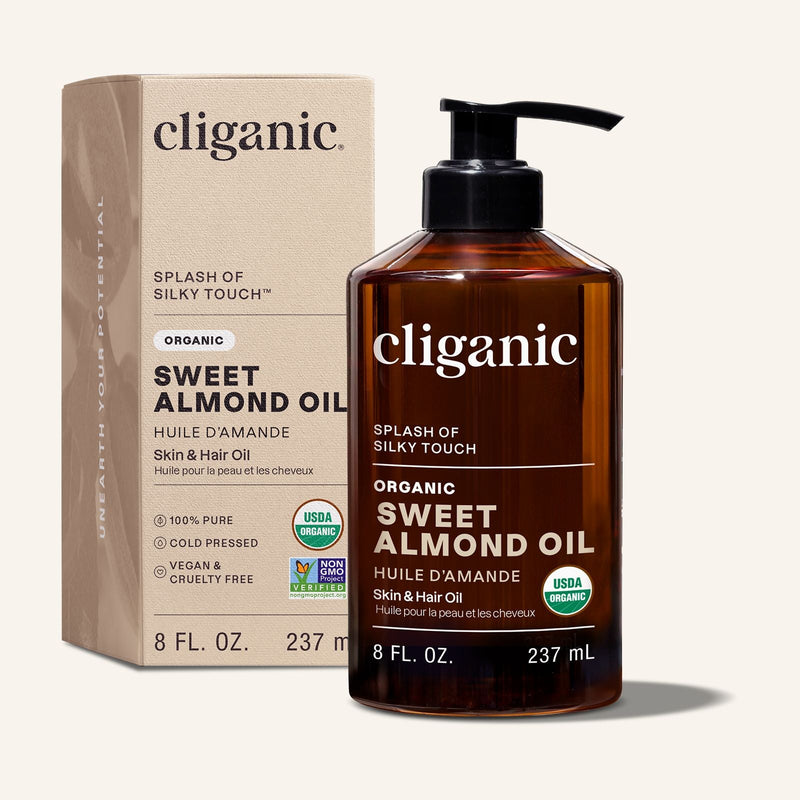


5 Easy Ways to Use Carrier Oils in Your Routine
These carrier oils show how a single bottle can support simple, practical steps throughout your daily routine.
1. Moisture Sandwich
We can use a carrier oil as the final step in a “moisture sandwich.” After mist or serum and moisturizer, we press 2–3 drops onto the skin to lightly seal moisture and keep the skin feeling smooth.
2. Roll-On Blends
Carrier oils work well in simple roll-on blends. Fill a 10 ml roller bottle with a carrier oil and a properly diluted essential oil, then apply to pulse points such as the wrists or the neck.
3. Hands and Cuticles
After washing our hands, we apply one drop of oil and massage it lightly into the cuticles and dry areas. This helps soften the skin without the need for a separate product.
4. Scalp Pre-Wash
Before shampooing, we apply a small amount along the scalp's part lines and massage gently. After a few minutes, wash it out while keeping the amount minimal to make rinsing easy.
5. Body After Shower
Applying oil on slightly damp skin helps it spread more easily. A few drops smoothed over arms or legs help skin feel comfortable without the heavy feel of thicker lotions.
A simple routine works best. Starting with small amounts and adjusting gradually helps keep oil use comfortable and easy to maintain.
Common Mistakes (and Fixes)
A common mistake is using too much oil, which can leave the skin feeling greasy. In this case, we reduce the amount by half and gently press the oil into the skin instead of rubbing it in.
Another mistake is applying essential oils directly to the skin; we should always dilute them and perform a patch test first. Mixing too many essential oils at once can also overwhelm the blend, so we keep it simple with one or two oils to start. Proper storage matters as well. Bottles should be capped tightly, stored in a cool, dark place, and replaced if the scent changes.
FAQs
Can I use a carrier oil on its own?
Yes. Many people use it as a final step over moisturizer for added comfort.
Which one is best for the face?
Start with a lightweight oil and perform patch tests. Choose based on how it feels, not on what’s trending.
Do I need separate oils for day and night?
Not necessarily. Adjust the amount instead.
How long do they last?
Check the best-by date. Replace if scent or texture shifts.
Carrier Oil in Skincare

Carrier oils make skincare simpler and essential oils more comfortable to use. Once we understand dilution and choose the texture that fits our routine, everything feels more controlled and consistent.
Start with one versatile option, learn your ideal amount, and then build slowly from there. Cliganic’s single-ingredient carrier oils are designed to keep this process straightforward, transparent, and easy to repeat without unnecessary complexity.


