
27 Jul 2026
Face Oil vs Face Serum: Key Differences, Benefits, and How to Use Both

We often only find ourselves staring at a face serum, a facial oil, and a moisturizer, wondering which one comes first or whether we even need all three. Since both face oils and serums promise hydration and healthier-looking skin, it’s easy to assume they’re interchangeable. In reality, each serves a different purpose.
In this guide, we’ll break down the face oil vs face serum debate in simple terms. We’ll explain how their ingredients, textures, and roles differ, when one product may be enough, and when using both can help create a more balanced routine. We’ll also show you the correct application order and introduce a few single-ingredient Cliganic oils that make it easy to build a routine tailored to your skin's needs.
Quick Answer: What Is the Difference Between Face Oil and Serum?
Serums are typically lightweight, water-based formulas that deliver concentrated skincare ingredients before moisturizer. Facial oils, on the other hand, are lipid-based products that soften the skin’s surface and help seal in the hydration you’ve already applied.
That’s the biggest difference between face oil and serum. While a serum often addresses a specific appearance goal, such as reducing dryness or uneven texture, an oil focuses on comfort, softness, and a smoother-looking finish. Some routines benefit from using both, while others work perfectly well with just one.
What Is a Face Serum, and What Does It Do?
Once you know what a serum is designed to do, it’s easier to understand why it usually appears near the beginning of a skincare routine.
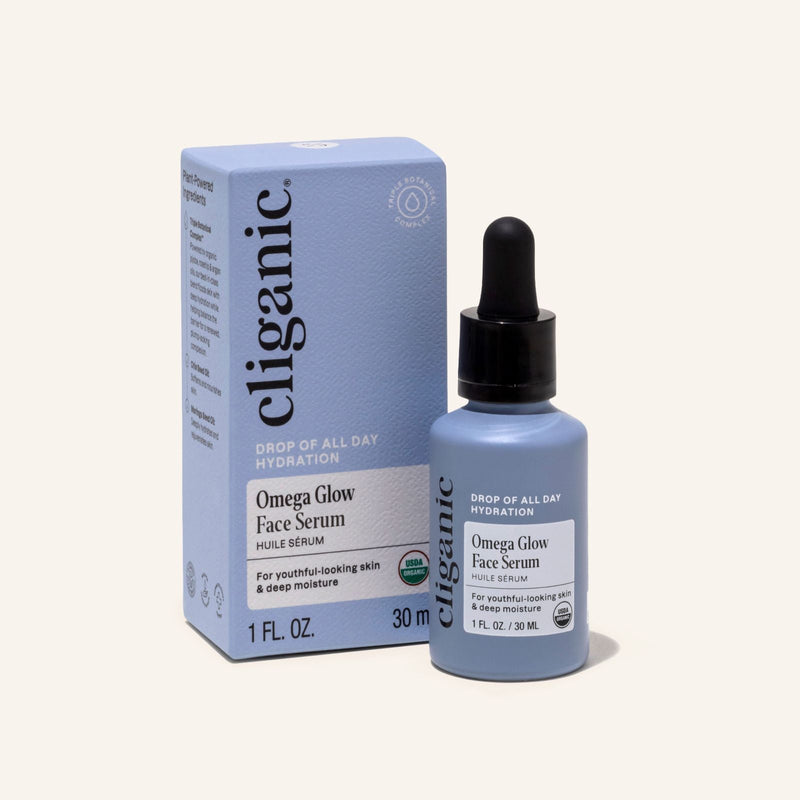
Face serums are generally lightweight, fast-absorbing formulas created to deliver concentrated ingredients directly after cleansing. Many contain humectants, antioxidants, peptides, or other targeted ingredients that support hydrated and smoother-looking skin.
Because most serums are water-based, they’re designed to layer comfortably beneath moisturizer without feeling heavy. They’re often a good choice when we have a specific skincare goal instead of simply wanting additional moisture.
The formula matters more than the category itself. Not every serum works for every skin type, which is why we recommend introducing one new product at a time. This gives your skin an opportunity to respond naturally without making it difficult to identify what’s working.
What Is a Face Oil, and What Does It Do?
While serums deliver lightweight hydration, face oils provide something different. Rather than adding water to the skin, they help soften the surface and support a comfortable, nourished finish.
Facial oils work primarily as emollients. They’re often applied as the final skincare step to help seal in moisture from the layers underneath while reducing the appearance of rough or dry-looking areas. Depending on the oil you choose, they can leave skin looking smoother, softer, and naturally radiant without feeling overly complicated.
Our collection of single-ingredient carrier oils makes it easy to choose an oil based on your routine, not marketing buzzwords. Jojoba Oil feels lightweight enough for many daytime routines, Rosehip Oil fits naturally into many evening rituals, Argan Oil offers a silky finish for dry-looking skin, and Vitamin E Oil provides a richer texture that’s often best used sparingly or blended with lighter carrier oils.
All of our oils are USDA Organic where applicable, third-party tested, and GC/MS tested to verify purity and quality, so you know exactly what you’re adding to your skincare routine.
Ultimately, face oil isn’t about replacing a serum. It’s about completing the routine with a layer that helps your skin feel comfortable throughout the day or night.
Face Oil vs Face Serum: Side-by-Side Comparison
Rather than asking which one is “better,” think about what each product contributes to your routine.
|
Category |
Face Serum |
Face Oil |
|
Typical Base: |
Water-based |
Lipid-based |
|
Main Purpose: |
Delivers targeted skincare ingredients |
Softens skin and helps seal in moisture |
|
Texture: |
Lightweight |
Light to rich |
|
Routine Order: |
Before moisturizer |
After moisturizer |
|
Best For: |
Specific appearance goals |
Dryness, comfort, smoother-looking finish |
|
Daytime Use: |
Layers easily under moisturizer and SPF |
Use sparingly beneath sunscreen if desired |
|
Nighttime Use: |
Targeted treatment step |
Final nourishing layer |
The biggest takeaway from the face oil vs. face serum comparison is that neither product replaces the other.
Do You Need Both? Choose by What Your Skin Is Asking For

If your skin feels dehydrated but not oily, start with a hydrating serum followed by a moisturizer. If your moisturizer leaves your skin feeling comfortable, you may not need anything else.
If your skin still feels rough or tight after moisturizing, adding one or two drops of facial oil as the final step can help create a softer, more comfortable finish.
If your routine already feels balanced but you’re working toward a specific appearance goal, a targeted serum may be all you need. On the other hand, if products begin to pill or your skin feels greasy, simplify your routine by reducing the amount of oil or reserving it for your evening routine.
Seasonal changes matter, too. During colder months, many of us enjoy using both products, while humid weather often calls for fewer layers.
How to Layer Face Oil and Serum Correctly
Once you’ve decided which products belong in your routine, applying them in the right order helps.
A simple routine looks like this:
-
Cleanser
-
Toner or facial mist (optional)
-
Serum
-
Moisturizer
-
Face oil
-
Sunscreen (morning only)
The basic rule is easy to remember: apply thinner, water-based products before richer, oil-based ones.
Allow each layer a few moments to settle instead of rubbing everything together at once. This simple habit can help products feel lighter and reduce the chance of pilling.
When using Cliganic carrier oils, start with one or two drops. Warm the oil between your fingertips before gently pressing it onto your cheeks or other dry-prone areas. If your routine begins to feel heavy, use less product or reserve the oil for your evening skincare ritual. Learning how to layer face oil and serum often comes down to using less product rather than adding more.
Which Cliganic Oil Fits Your Routine?
Choosing a facial oil doesn’t have to feel overwhelming. Instead of searching for one universal option, think about the finish you’re hoping to achieve.
-
If you prefer something lightweight that fits easily into morning or combination-feeling skin routines, Cliganic Organic Jojoba Oil is a versatile choice.
-
If your evening routine is all about comfort and softness, Cliganic Rosehip Oil offers a breathable finish that layers beautifully after moisturizer.
-
For dry areas like the neck, décolletage, or cheeks, Cliganic Argan Oil provides a silky feel without becoming overly heavy.
-
If your skin needs extra nourishment in targeted areas, Cliganic Vitamin E Oil has a richer consistency and works well when used sparingly or blended with a lighter carrier oil.
Like the rest of Cliganic’s carrier oil collection, these oils prioritize ingredient transparency and undergo rigorous quality standards, including third-party testing where applicable, so you can build your routine with confidence.
Common Layering Mistakes and Easy Fixes
Even a thoughtful skincare routine can need a few adjustments. Fortunately, most layering issues have simple solutions.
-
Applied oil before serum? Move the oil to the final skincare step.
-
Experiencing product pilling? Use smaller amounts and allow each layer to absorb before applying the next.
-
Skin feels greasy? Reserve facial oil for nighttime or apply it only to dry-prone areas.
-
Still feeling tight? Add a water-based hydration step instead of increasing the amount of oil.
-
Trying several new products at once? Return to a simple routine, then introduce one product at a time.
Most skincare routines improve through small adjustments rather than complete overhauls.
FAQs
Can serum and oil be mixed together?
They can, but layering them separately gives you better control over both placement and quantity.
Should facial oil be applied before or after moisturizer?
In most routines, facial oil comes after moisturizer because it acts as the finishing layer.
Can oily-feeling skin use facial oil?
Yes. Start with a single drop on areas that feel dry and adjust based on your skin’s comfort level.
Which product is better for beginners?
Choose a serum if you have a specific skincare goal. Choose a facial oil if your routine simply needs a softer, more comfortable finish.
Build the Routine Your Skin Actually Needs

Whether your routine calls for a lightweight serum, a nourishing facial oil, or both, keeping things simple often delivers the most satisfying results. When you’re ready to add a finishing layer, our collection of single-ingredient carrier oils offers thoughtfully sourced, third-party and GC/MS-tested options designed to fit naturally into everyday skincare routines.
Start with one product, build gradually, and let your skin guide the rest.


