
29 Sep 2026
Sunflower Seed Oil for Skin: Benefits, Uses, and Why This Lightweight Oil Deserves a Place in Your Routine

Dry skin after cleansing is one thing. Dry skin that still feels uncomfortable after layering product on product is another.
Sometimes we do not need a more complicated routine; we need a lighter finishing step that makes skin feel softer without sitting heavily on the surface. That is where sunflower seed oil for skin earns a place. This lightweight botanical oil is easy to use, blends easily, and is versatile enough for face, body, and hair care.
In this guide, we'll cover what sunflower oil contains, its realistic cosmetic benefits, how it compares with jojoba oil, and simple ways to work it into everyday skincare.

Why Sunflower Oil Is Becoming a Skincare Staple
When we talk about sunflower seed oil for skin, we are talking about a plant-based carrier oil valued for its smooth texture and skin-conditioning properties. Not every oil feels the same. Some are richer and more cushioning, while others feel lighter and spread more easily.
Sunflower oil sits comfortably in the lightweight category. It adds softness without making your routine unnecessarily complicated.
Is Sunflower Seed Oil Good for Skin?
Yes, sunflower seed oil can be a useful option when you want lightweight conditioning and a softer-feeling finish. It naturally contains fatty acids, including linoleic acid, which contribute to its texture and skin-conditioning properties.
As a carrier oil, sunflower oil can be used on its own or incorporated into topical blends. It does not replace sunscreen, water-based hydration, or a complete skincare routine. Instead, we see it as a simple layer that complements the products we already use.
Consistency matters more than using a large amount. A few drops are usually enough to start.
What Makes Sunflower Seed Oil Different From Other Carrier Oils?
Carrier oils provide a comfortable base for topical blends and can also be used directly in skin and hair routines. Sunflower oil is appealing because it feels naturally lightweight and silky and spreads easily across the skin.
Other carrier oils can feel richer, more cushioning, or more wax-like. There is no universal winner. The better choice depends on the finish we enjoy and what we want from our routine.
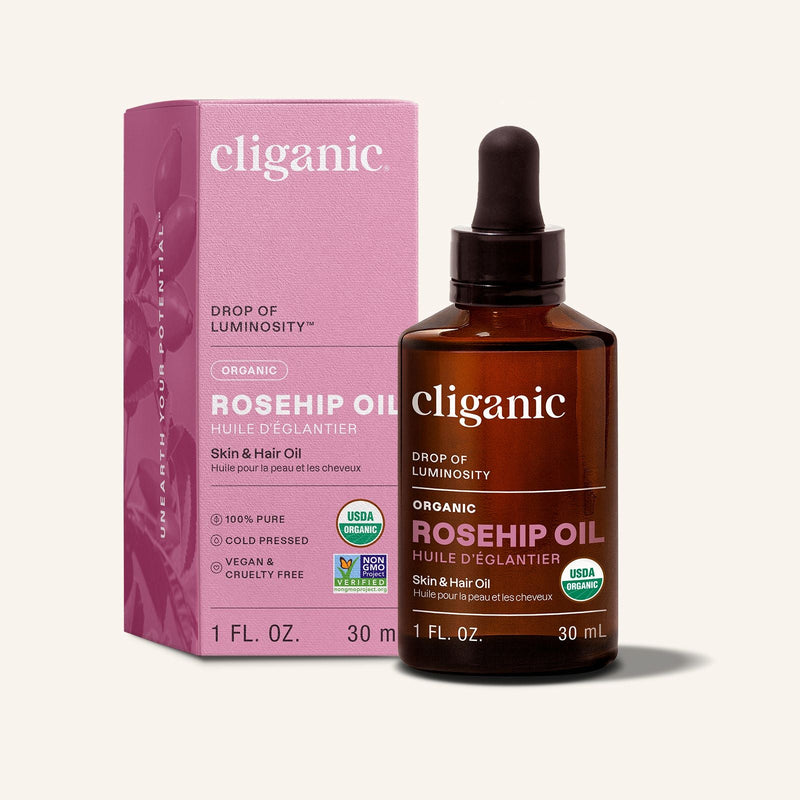
Our current carrier-oil collection includes sunflower, jojoba, argan, rosehip, and several other options, giving us plenty of room to choose based on texture and use.
That variety helps because skincare doesn't need to be one-size-fits-all.
Sunflower Oil Skin Benefits: What Your Routine May Notice

The most noticeable sunflower oil skin benefits are cosmetic and sensory: skin can feel softer, smoother, and more comfortable after application.
A few drops can add a lightweight layer of nourishment to dry-feeling areas. It also works well as a finishing step after water-based products, helping create a smoother-looking appearance. For anyone who prefers simple, plant-based formulas, a single-ingredient carrier oil can be an especially straightforward addition.
Our Organic Sunflower Seed Oil is 100% pure, organic, and cold-pressed, with sunflower seed oil as its sole ingredient.
The key is to think of oil as one part of the routine, not the entire routine.
Why Fatty Acids Matter in Facial Oils
Plant oils contain different fatty acids, and those fatty acids influence how an oil feels, spreads, and interacts with the skin. Sunflower oil is naturally rich in linoleic acid, which is one reason it is associated with a lighter texture.
A well-rounded skincare routine can combine water-based hydration, moisturizing ingredients, and an oil that softens and seals. We do not need to choose one category and ignore the others.
Ingredient quality matters, too. The goal is a formula that fits comfortably into the routine we already have.
Sunflower Oil vs. Jojoba Oil: Which One Fits Your Routine?
When comparing sunflower oil vs. jojoba oil, both are versatile, but they offer slightly different sensory experiences.
|
Feature |
Sunflower Oil |
Jojoba Oil |
|
Texture |
Lightweight and silky |
Lightweight with a wax-like feel |
|
Best known for |
Softening and conditioning |
Versatile skin and hair use |
|
Finish |
Smooth and comfortable |
Balanced, skin-like slip |
|
Routine use |
Face, body, and blends |
Face, hair, cuticles, and blends |
Neither is automatically better. Sunflower oil suits us if we prefer a simple, lightweight botanical oil, while jojoba is useful when we want one ingredient that moves easily between skin, hair, and other routines. We offer both, so the choice can come down to feel and preference.
How to Use Sunflower Seed Oil in Your Skincare Routine
The easiest way to use sunflower seed oil for skin is to keep the application simple.
-
Morning: Apply a small amount after moisturizer for extra softness. Let it settle before sunscreen.
-
Evening: Cleanse, apply serum or moisturizer, then press a few drops over dry areas.
-
Body Care: Apply after showering while skin is slightly damp. Elbows, knees, hands, and other dry-feeling areas are easy places to start.
Warm a few drops between the fingertips and gently press the oil into the skin rather than rubbing aggressively. Patch testing before full-face use is also a sensible first step.
Is Sunflower Oil Good for Dry Skin?
For dry skin, the most useful approach is layering sunflower oil rather than replacing everything else. Dry-feeling skin often benefits from both hydration and an oil layer that leaves it feeling softer and more comfortable.
Sunflower oil can work particularly well after moisturizer. If skin feels very dry, we may prefer a richer moisturizer underneath. If we dislike heavy oils, the lightweight texture can make sunflower oil easier to incorporate.
The best routine is ultimately the one that feels comfortable enough to use consistently.
Organic Sunflower Oil: What to Look For When Buying

When buying sunflower oil, we start with the ingredient list. For a pure carrier oil, a single ingredient is straightforward and easy to understand. We also look for clear information about extraction, sourcing, packaging, and quality standards.
Cliganic's Organic Sunflower Seed Oil is currently listed as 100% pure, organic, cold-pressed sunflower oil, with the full ingredient listed as Helianthus annuus (sunflower) seed oil. The product page also recommends storing it in a cool, dry, dark place away from direct sunlight and heat.
This kind of transparency makes choosing a botanical oil much easier.
Can Sunflower Oil Be Used With Essential Oils?
Sunflower oil can also serve as a carrier oil for topical essential-oil blends. Because essential oils are highly concentrated, we should not apply them directly to skin. A carrier oil helps create a more comfortable topical blend.
We provide GC/MS testing for every lot of our essential oils, with lot-specific certificates of analysis available through our website. The testing reviews purity, botanical identity, and consistency.
For topical blends, follow the recommended dilution guidance and patch test first. When we combine products, keeping each ingredient and its intended use clear is always the better approach.
Common Sunflower Oil Mistakes and Easy Fixes
Most facial oil mistakes are surprisingly easy to avoid.
Using too much is the first. Start with a few drops instead of coating your skin. Skipping moisturizer is another common mistake; oil can complement hydration but does not necessarily replace it.
We should also apply lighter, water-based products before oil and adjust the amount according to how our skin feels. Finally, avoid expecting an overnight transformation. A simple routine becomes useful when it is comfortable enough to repeat.
Small adjustments can make a big difference.


FAQs
Is sunflower seed oil suitable for facial skincare?
Many people use it as a lightweight facial oil. Skin preferences vary, so patch test and start with a small amount.
Can sunflower oil replace moisturizer?
It can complement moisturizer, but it doesn't always replace it. Using moisturizer first, then oil afterward, can provide a more complete routine.
Is sunflower oil better than jojoba oil?
Neither is universally better. The choice depends on the texture, finish, and routine we prefer.
How often can sunflower oil be used?
Many people use facial oils daily or several times a week. Start with a small amount and adjust according to how comfortable your skin feels.
A Simple Oil With Everyday Skincare Potential
Sunflower seed oil for skin is a straightforward option when we want lightweight nourishment, a smooth texture, and a simple ingredient to add to our routine. Its versatility makes it useful for face, body, hair, and carrier-oil blends.
Choose our oils when you want a transparent formula, want to start small, and want consistency to do the work.
For us, this is what makes a good skincare ingredient worth keeping around.


