
20 Aug 2026
Skin Moisture Barrier: What It Does, Signs of Damage, and How to Restore It

Before replacing your entire routine, take a closer look at your skin's moisture barrier. This protective outer layer helps your skin retain moisture and stay comfortable throughout the day. When it’s disrupted, even familiar products may stop feeling gentle.
In this guide, we’ll explain how the skin barrier works, the warning signs that it needs support, and a simple skin barrier repair routine to help restore balance. We’ll also show where our skincare essentials naturally fit into that routine.
Quick Answer: What Is the Skin Moisture Barrier?
The skin moisture barrier is the outermost layer of your skin. It helps lock in moisture while reducing the effects of everyday stressors like cold weather, cleansing, and dry air. A healthy barrier usually feels smooth, flexible, and comfortable. When it’s disrupted, moisture escapes more easily, and products that once felt soothing may begin to sting.
While moisturizers and facial oils can support this layer, the first step is often to simplify your routine and reduce irritation. Occasional dryness isn’t automatically the same as a diagnosed skin condition, so persistent symptoms should always be discussed with a dermatologist.
Knowing what the barrier does makes it easier to understand why it sometimes struggles.
How the Barrier Works: The “Bricks and Mortar” Explanation
A simple comparison helps explain why this layer is so important.
Think of skin cells as bricks and natural lipids, including ceramides and fatty acids, as the mortar that holds them together. This structure slows moisture loss while helping the skin cope with wind, temperature changes, cleansing, and daily skincare.
When those lipids become depleted, water escapes more easily, leaving skin feeling tight or unusually reactive. Winter weather, indoor heating, long showers, and aggressive routines can all contribute to this process. Rather than adding more products, restoring consistency is often the better approach.
Understanding how the barrier functions makes it easier to recognize when it needs extra support.
Signs Your Barrier May Be Struggling
The signs of a damaged skin barrier often appear gradually rather than overnight.
A Few Clues to Watch For
You may notice:
-
Tightness after cleansing
-
Flaking or rough texture
-
Moisturizer that suddenly stings
-
Increased redness or sensitivity
-
Dry skin that still looks shiny
-
Makeup clinging to dry patches
-
Products becoming harder to tolerate
If you experience persistent burning, cracking, swelling, or a spreading rash, consult a dermatologist rather than relying solely on a home skincare routine.
The next step is understanding the everyday habits that commonly weaken the barrier in the first place.
What Commonly Disrupts the Skin Moisture Barrier?
A weakened barrier rarely develops from a single mistake. More often, it’s the result of several small habits adding up over time.
Over-cleansing is one of the most common causes. Washing too often or using products that leave your skin feeling squeaky clean can remove the oils that help keep the surface comfortable. Exfoliation can also become a problem when scrubs, acids, retinoids, and brightening treatments are layered together without giving the skin time to recover.
Hot showers, cold winter air, indoor heating, and air conditioning can all contribute to moisture loss. Another overlooked habit is introducing several new products at once, making it difficult to identify what’s helping and what’s causing irritation. Finally, relying solely on watery serums without moisturizer, or applying facial oil without adding hydration underneath, can leave skin feeling unbalanced.
Since barrier disruption usually develops gradually, recovery often comes from making several small adjustments rather than searching for one miracle product.
Your Skin Barrier Repair Routine: A Simple Four-Step Reset

The good news is that supporting your skin barrier repair routine doesn’t have to involve an overflowing skincare shelf. A few consistent steps often work better than constantly switching products.
1. Cleanse Gently
Start with lukewarm water and a mild cleanser. If your skin already feels dry in the morning, a simple water rinse may be enough. Our Fresh Balance Face Cleanser is designed as a gentle first step that cleans without leaving skin feeling stripped. Cotton rounds can also be useful for gentle product removal, but avoid rubbing repeatedly while your skin feels sensitive.
2. Add Water-Based Hydration
Apply a lightweight toner or hydrating serum while your skin is still slightly damp. During this reset period, avoid introducing exfoliating acids or other strong active ingredients.
3. Moisturize
Next, apply a moisturizer that helps reduce tightness while leaving the skin feeling comfortable throughout the day. Our Barrier Boost Face Moisturizer fits naturally here by providing lightweight moisture without overwhelming sensitive skin.
4. Seal Where Needed
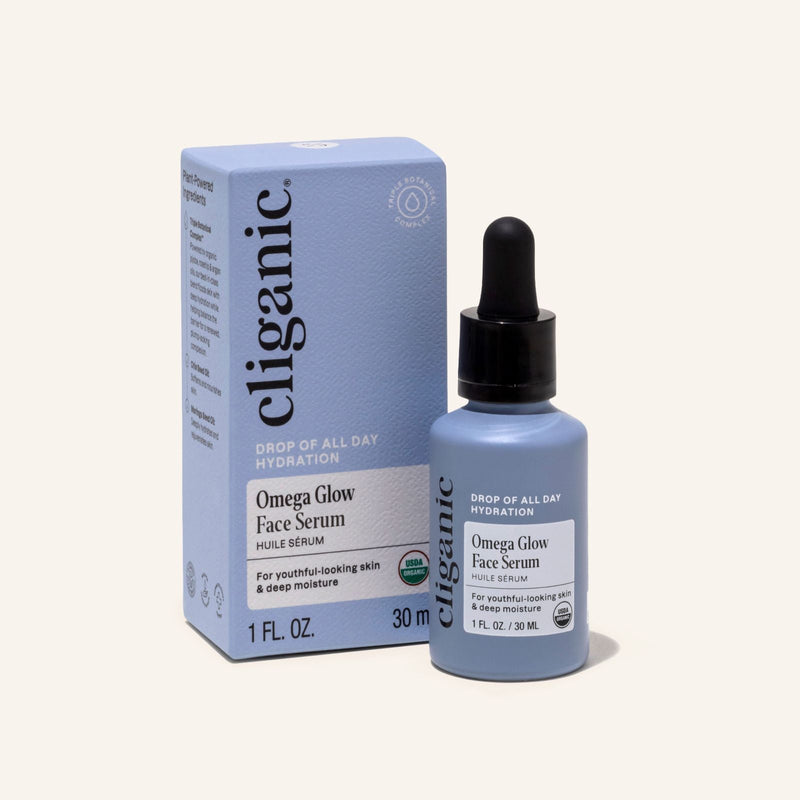
Finish by pressing one or two drops of a lightweight facial oil over areas that still feel dry. Our Organic Jojoba Oil or Organic Omega Glow Face Serum can soften the surface without creating an overly heavy finish.
Since we emphasize ingredient transparency and third-party quality standards, including GC/MS testing where applicable, you can focus on building a routine around products with clearly communicated ingredients.
Once your skin starts feeling calmer, patience becomes just as important as the products themselves.


How Long Should You Keep the Routine Simple?
Give your simplified routine at least one to two weeks before introducing anything new. Skin often feels more comfortable before visible flaking or uneven texture fully improves, so don’t rush the process.
When you’re ready to add active ingredients back, introduce only one product at a time and wait several days before adding another. If irritation returns, remove the newest addition and continue with the simpler routine until your skin settles again. Paying attention to patterns over time is usually more helpful than reacting to small day-to-day changes.
A steady routine also makes it easier to understand how moisturizers and facial oils work together.
Moisturizer vs. Facial Oil: What Does the Barrier Need?
Although they’re often used together, moisturizers and facial oils serve different purposes.
Moisturizers usually combine water-attracting ingredients with emollients that help reduce moisture loss. Facial oils, on the other hand, primarily soften the surface and help seal in the products applied underneath. That’s why moisturizer generally comes first, followed by oil if your skin still feels tight.
If your skin becomes shiny easily, reserve facial oil for the driest areas or use it only in your evening routine. Ours Organic Jojoba Oil, Organic Rosehip Oil, Organic Argan Oil, and Organic Omega Glow Face Serum all work well as lightweight finishing steps, depending on your preferences. Remember, more isn’t always better. Using too many layers can sometimes leave sensitive skin feeling warmer or congested.
FAQs
Can oily skin still have a weakened barrier?
Yes. Skin can appear oily yet still feel tight or dehydrated beneath the surface.
Should facial oil go on before moisturizer?
Usually not. Facial oil works best as the final step after moisturizer.
Can I continue exfoliating while my barrier recovers?
It’s generally better to pause exfoliation until tightness, stinging, and flaking improve.
When should I see a dermatologist?
Seek professional care if you experience persistent pain, cracking, swelling, severe itching, or symptoms that don’t improve with a gentler routine.
Give Your Skin Fewer Things to Fight

Supporting your skin's moisture barrier doesn’t require an elaborate routine. Gentle cleansing, consistent moisturizing, and one lightweight finishing step are often enough to help skin feel calmer and more comfortable.
If you’re looking to simplify your routine, explore our barrier-friendly skincare collection and botanical facial oils to build a practical, easy-to-maintain routine designed to support your skin day after day.


