
05 Aug 2026
Non-Toxic Mosquito Repellents in 2026: DEET-Free Patches, Bracelets, and Sticks That Actually Work

Summer evenings are meant for backyard dinners, neighborhood walks, and long afternoons at the park. But when mosquitoes show up, those simple moments can become a little less enjoyable. If you’re looking for a non-toxic mosquito repellent, the good news is that there are more wearable, family-friendly options available than ever before. With so many outdoor products available, it’s easy to get caught between marketing claims and real-world expectations.
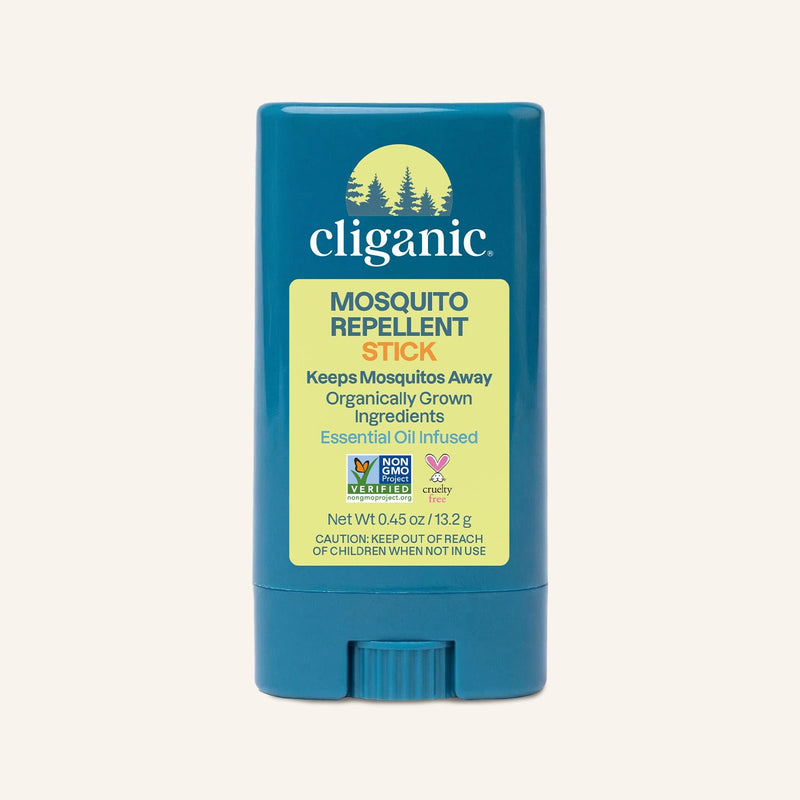
In this guide, we’ll explain what shoppers should look for when choosing a non-toxic mosquito repellent, how patches, bracelets, and sprays fit into an outdoor routine, and why layering several simple strategies often works better than relying on a single product. Whether you prefer wearable protection or quick coverage for exposed skin, today’s DEET-free* mosquito repellent options make it easier to enjoy the outdoors naturally. Our growing collection now includes adhesive patches, wearable bracelets, and a travel-friendly Mosquito Repellent Stick, giving families more ways to build an outdoor routine that suits their activities.
Do Wearable Repellents Really Work?
Before comparing products, it helps to understand what wearables are designed to do.
Wearable products can help create a small personal comfort zone, especially when attached to clothing or gear we use while outdoors. Like any outdoor product, results vary depending on heat, wind, activity level, and duration of use.
The most effective approach is usually layered. A non-toxic mosquito repellent works best when combined with airflow from fans, thoughtful clothing choices, and timing of outdoor activities. Rather than expecting perfection from a single product, we focus on creating a more comfortable overall outdoor experience.
Once we set those expectations, it’s easier to understand how different wearable formats compare.
What “Non-Toxic” Means in Mosquito Repellents
The term “non-toxic” appears frequently in outdoor product discussions, but it’s worth looking beyond the label itself.
A Practical Definition
In practical terms, we look for clear ingredient information, transparent usage instructions, storage guidance, and realistic expectations.
Products that use plant-derived actives and provide straightforward directions often make it easier to understand how they fit into a routine. We also appreciate brands that explain where and how products should be used rather than relying on broad promises.
At the same time, “non-toxic” doesn’t mean a product works forever or performs the same way in every environment. Outdoor conditions constantly change, and that’s why consistency and layering matter.
Understanding this mindset helps us evaluate each wearable option more realistically.
The Big Three Formats
Different situations call for different tools, which is why wearable DEET-free* repellents now come in several formats.
1. Patches or Stickers (Clothing or Gear Placement)
Patches and stickers work especially well on backpacks, strollers, jackets, picnic blankets, hats, luggage, and travel bags. Because they attach to clothing or gear rather than skin, they’re a hands-free option that many families appreciate. Placement near clothing around the legs or arms often makes them easy to incorporate into existing routines.
For people who prefer low-maintenance solutions, adhesive wearables are often the easiest place to start. They can also be added to water bottles, outdoor gear, or children’s backpacks, making them a convenient option for school trips, vacations, playground visits, and family outings.
As with any scented wearable product, it’s important to keep them out of reach of infants who may place items in their mouths.
2. Bracelets (Wearable and Quick)

Bracelets are popular because they’re simple to put on and easy to carry while traveling.
They’re often used for errands, hikes, sports practices, and playground visits. Since placement and airflow can influence performance, we think of bracelets as one part of a broader outdoor strategy rather than as a complete solution on their own. Their convenience is often what makes them appealing for everyday use.
3. Mosquito Repellent Stick

For people who prefer direct skin application, a DEET-free* mosquito repellent stick offers another practical way to stay comfortable outdoors.
Our Mosquito Repellent Stick is powered by a botanical defense system of essential oils, featuring citronella, lemongrass, rosemary, cedarwood, peppermint, geranium, and geraniol. Together, these plant-derived ingredients help create a natural scent barrier that keeps mosquitoes away for up to 4 hours, without using DEET*.
Unlike wearable repellents that stay on clothing or gear, the stick provides quick, even coverage across exposed skin with a targeted nozzle that makes it easy to reach areas like arms and legs. Its nourishing base of castor oil and soybean oil also helps keep skin feeling soft while you’re outdoors.
The compact bottle is designed for life on the go, making it easy to slip into a backpack, purse, beach bag, or carry-on before camping trips, hikes, vacations, backyard gatherings, or evenings at the park.
Each format offers slightly different advantages, so choosing the one that best matches your activity often makes the most sense.


The 60-Second Chooser: Pick Your 2026 Setup
The easiest outdoor routine is usually the one you’ll actually remember to use.
Match the Product to the Activity
For backyard dinners, consider placing patches on jackets or chairs while using a fan to improve airflow. Using a stick also helps keep mosquitoes at bay.
For park days with children, patches on strollers or backpacks paired with lightweight clothing often create a simple setup.
For travel evenings, keeping spare wearables in a bag makes quick refreshes easier.
For hikes and outdoor sports, bracelets paired with patches on gear and light clothing provide a practical combination. The stick also enables easy application on the go.
The goal isn’t to use every available product. It’s to choose two simple tools that fit naturally into your routine.
The Layering Checklist (What Helps Most)
A non-toxic mosquito repellent works best when it becomes part of a broader outdoor routine.
Simple Habits That Matter
-
Prepare outdoor spaces before peak mosquito hours.
-
Wear lightweight long sleeves and socks when practical.
-
Improve airflow with fans or breezy seating locations.
-
Place patches and wearables on clothing or gear according to directions.
-
Refresh products as needed instead of applying too many at once.
Small adjustments often create a more comfortable outdoor environment than relying on a single product.
How to Use Patches, Bracelets, Stickers and the Stick Safely

Like any outdoor product, proper use starts with following directions.
Quick Safety Guidelines
Always follow package instructions rather than improvising placement.
Keep products away from eyes and mouths, and wash hands after handling if directed by the manufacturer.
Store products in a cool, dry location and replace them when recommended.
If children or pets are present, keep wearables out of reach and avoid attaching products to items that may be chewed or mouthed.
If you’re pregnant, nursing, or under medical care, consult a healthcare professional before introducing new products into your routine.
Safe use helps ensure that wearable products remain practical and convenient.
Troubleshooting (If You’re Still Getting Bit)
Even a well-planned setup sometimes needs adjustments.
Small Changes That Can Help
If mosquitoes are still bothering you, try moving patches closer to where you sit or spend time. If you’re using a bracelet, make sure it’s worn consistently throughout your outdoor activity.
For activities where more skin is exposed, consider applying the Mosquito Repellent Stick to uncovered areas before heading outside and reapplying every four hours or as needed.
Adding airflow with a fan can often improve comfort outdoors. For windy patios or open spaces, rely more heavily on lightweight clothing along with your preferred mosquito repellent format.
Often, small changes create better results than simply adding more products.
FAQs
A few common questions come up every mosquito season.
Are patches or stickers better?
Patches generally provide longer-lasting placement, while stickers are often used as a quick additional layer.
Can toddlers use them?
Always follow age guidance provided by the manufacturer and prioritize placement on gear.
Do I still need other precautions?
Yes. Airflow, clothing coverage, and timing remain important regardless of the product you choose.
What’s the simplest setup?
One wearable product, one patch on gear, and a fan create an easy starting point for many outdoor situations.
When should I choose a mosquito repellent stick?
A stick is ideal for quick, even coverage on exposed skin, especially during camping, hiking, beach days, backyard gatherings, or travel.
A Practical Outdoor Routine for Summer
The best outdoor routine is usually the one we can repeat consistently. Start with a wearable option that fits your day, place it thoughtfully, and combine it with simple habits like airflow and light clothing coverage.
Alongside our DEET-free* outdoor collection, Cliganic is also known for ingredient transparency and quality standards, including third-party and GC/MS testing across many of its essential oil products. The result is a simple approach that feels realistic, repeatable, and ready for everyday outdoor plans.
For shoppers looking to build a non-toxic mosquito-repellent routine, our outdoor essentials are designed for practical, plant-powered convenience.
*Not a safety claim.


