
28 May 2026
How Are Essential Oils Made? Behind-the-Scenes from Plant to Bottle

Essential oils can feel mysterious at first. One bottle says steam-distilled, another says cold-pressed, and suddenly, shopping becomes more confusing than relaxing. That is why we wanted to break the process down in plain English.
In this guide, we will walk through how essential oils are made, the most common extraction methods, and why details like sourcing, batch information, and testing help build trust.
We will also touch on why we, as a brand, focus on ingredient transparency, third-party testing, and GC/MS testing to maintain consistent quality standards. By the end, you will have a clearer understanding of the essential oil extraction process and what matters most when choosing oils for your routines.
Quick Answer: How Are Essential Oils Made?
At the simplest level, essential oils are concentrated aromatic compounds captured from plants. Most oils are produced through steam distillation or cold pressing, depending on the plant used. The goal is to separate the plant’s aromatic molecules and collect them in a stable, usable form.
The process may sound technical, but it follows a pretty natural flow. The plant material is harvested, prepared carefully, extracted, filtered, tested, and bottled. Many reputable brands also include batch or lot information so the oil can be traced back through production if needed. That traceability is one reason people often ask how essential oils are made before deciding which products to trust for their home or skincare routines.
Why Extraction Method Matters
Not every plant behaves the same way during extraction. Delicate flowers, citrus peels, woods, and resins all require different handling to capture their aroma properly.
The extraction method can influence how an oil smells and feels in use. Some methods preserve a brighter, fresher scent, while others create a softer or deeper scent. That difference is especially noticeable when comparing citrus oils to grounding oils like cedarwood or frankincense.
It is also important to remember that quality is not simply about how “strong” an oil smells. Consistency, clarity, sourcing, and testing matter just as much. Brands like Cliganic focus on transparent labeling and third-party testing because those details help shoppers understand what they are actually bringing into their routines.
Once you understand the process behind the bottle, the labels start making a lot more sense.
From Plant to Bottle: The Behind-the-Scenes Process
The journey from fresh botanical to finished oil is surprisingly detailed, even though the final bottle looks simple on the shelf.
Step 1: Plant Selection and Harvest Timing
Plants are usually harvested when their aromatic compounds are at their peak. That timing can depend on the season, the plant's maturity, or even the time of day.
Lavender, for example, may be harvested differently from citrus peels or eucalyptus leaves because each botanical holds its aromatic compounds differently. Freshness also matters. Poor handling after harvest can affect the final scent profile before extraction even begins.
This attention to sourcing is one reason reputable brands care so much about traceability and consistency from the very start. The quality story really begins long before the oil reaches the bottle.
Step 2: Pre-Processing (Cleaning, Chopping, and Prep)
Before extraction begins, the plant material usually needs to be prepared. Some botanicals are processed fresh, while others are lightly dried beforehand.
Leaves, stems, flowers, or peels may also be chopped or broken down to more efficiently release aromatic compounds during extraction. Gentle handling is important here because too much heat or rough processing can damage delicate scent molecules.
Even though this stage feels less glamorous than the final oil itself, preparation plays a major role in preserving the plant’s original aroma. This careful handling helps create oils that smell clean, balanced, and recognizable.
Step 3: The Extraction (How the Aroma Gets Captured)
This is where the transformation finally happens. In fact, how essential oils are made largely depends on the extraction stage itself.
The most common essential oil extraction methods include steam distillation and cold pressing, both of which work differently depending on the botanical.
Steam Distillation (Most Common)
Steam distillation is widely used to extract oils from lavender, peppermint, eucalyptus, rosemary, and tea tree.
Steam passes through the plant material, lifting the aromatic molecules into vapor form. That vapor cools and condenses back into liquid, where the oil separates naturally from the water-based hydrosol.
The collected oil is then filtered and prepared for testing and bottling.
Cold Pressing (Often for Citrus)
Cold pressing is more common for citrus oils like lemon, grapefruit, and orange.
Instead of using steam, the peel is mechanically pressed to release the aromatic oils directly. This often creates a brighter, fresher scent profile compared to steam-distilled oils.
Both methods aim to preserve the plant’s natural aroma as faithfully as possible, even though the techniques themselves differ.
Once extraction is complete, the oils still need additional finishing before they are ready for shelves.
Step 4: Filtration and Resting
After extraction, oils are filtered to remove fine plant particles and any remaining debris.
Some oils also benefit from a short resting period, which allows the aroma profile to settle and stabilize before bottling. This stage helps improve clarity and consistency, especially for oils intended for regular home or diffuser use.
These final adjustments may seem small, but they contribute to a cleaner overall experience for the person actually using the product.
Good oils usually feel refined because the process behind them is refined too.
Step 5: Quality Checks and Testing
Before oils are bottled, quality checks help confirm purity, consistency, and alignment with the intended botanical profile.
Third-party testing is often used as an added trust signal, especially for shoppers who care about ingredient transparency. Our products at Cliganic also reference GC/MS testing as part of its efforts to maintain consistent quality standards for many oils.
Batch or lot information matters here, too, because it supports traceability. If an oil ever needs to be reviewed or verified, that production information helps connect the bottle back to its sourcing and processing history.
These quality steps are part of what separates carefully produced oils from products that rely mostly on marketing language.
Step 6: Bottling, Storage, and Shelf Life
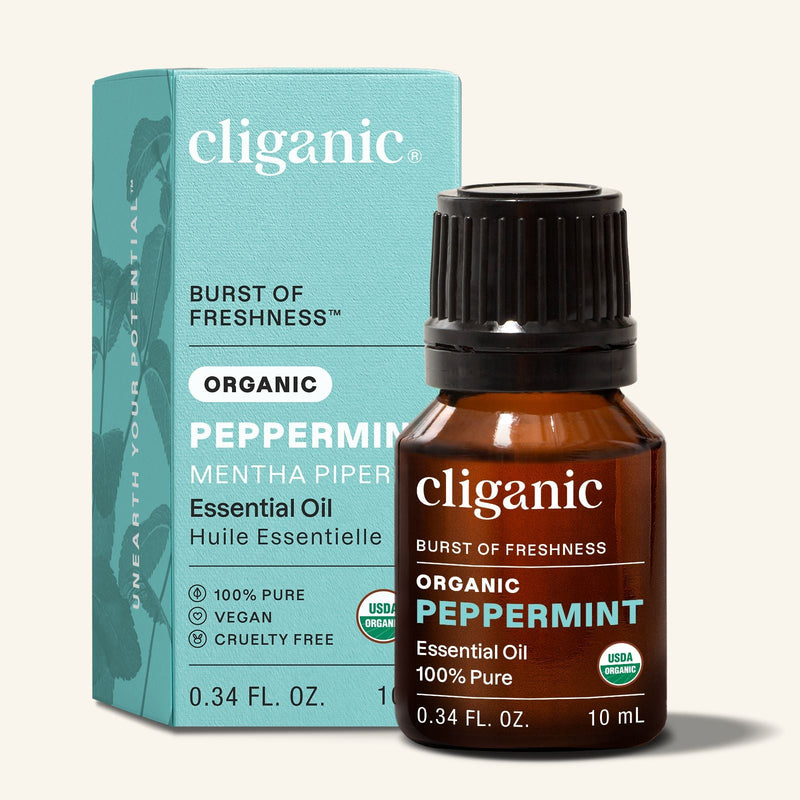
Essential oils are usually packaged in dark glass bottles because light and oxygen can affect their aroma quality over time.
Tight caps also help slow oxidation and preserve freshness. At home, oils should be stored in a cool, dry place away from direct sunlight or humidity.
If an oil’s aroma changes dramatically or starts smelling flat, sharp, or unusual, it is usually time to replace it.
Simple storage habits go a surprisingly long way toward protecting the oils you already own.


Can I Make Essential Oils at Home?

Many people assume essential oils can be easily made at home, but true essential oil production typically requires specialized equipment and large amounts of plant material.
At home, it is much more practical to create infused oils or scented blends rather than distilled essential oils. DIY blends can still feel enjoyable, but they are not chemically identical to professionally distilled oils.
If consistency, testing, and traceability matter to you, buying from brands that focus on transparent sourcing is usually the easier and more practical route.
What to Look for When You Buy: A Simple Label Checklist
Shopping becomes easier once you know what details actually matter on the label.
Look for:
-
Botanical names
-
Extraction method (when listed)
-
Country of origin or sourcing details
-
Batch or lot information
-
Best-by dates
-
Dark glass packaging
-
Clear usage instructions
If you are new to oils, starting with a curated set can feel less overwhelming than buying everything individually. Our essential oil collections are especially approachable because they focus on straightforward labeling, practical routines, and third-party tested products without overcomplicating the experience.
Learning one oil at a time usually makes the process more enjoyable.
FAQs
Why are some essential oils more expensive?
Some plants naturally yield less oil and require significantly more raw material during extraction.
What is a hydrosol?
A hydrosol is the aromatic water created during steam distillation after the oil separates.
Does a stronger smell mean higher quality?
Not necessarily. Consistency, clarity, and purity matter more than intensity alone.
How should I store essential oils?
Keep bottles tightly closed in a cool, dark, dry space away from direct sunlight.
These simple habits help oils stay fresher and more enjoyable to use over time.
Guide to Essential Oils

Now that you know how essential oils are made, those little bottles feel a lot less mysterious. Understanding the process makes it easier to shop intentionally, recognize quality cues, and build routines that actually fit your life.
Whether you are exploring single oils or curated starter sets, Cliganic’s ingredient-first approach helps keep the plant-to-bottle process clear, practical, and approachable. bodycare


