
14 Aug 2026
Vegan Skincare Explained: What It Means and How to Shop Smarter

Shopping for skincare has become more confusing than ever. One bottle says “vegan,” another highlights “natural,” while a third focuses on being “cruelty-free.” At first glance, they may seem to mean the same thing, but each label tells a different story. Without understanding those differences, it’s easy to assume a product meets standards that it may not actually claim.
Understanding vegan skincare starts with knowing that it’s primarily about ingredient sourcing rather than performance, skin type, or price. It doesn’t automatically tell you whether a product is cruelty-free, organic, or better suited to sensitive skin. In this guide, we’ll explain what vegan skincare really means, break down commonly misunderstood labels, highlight animal-derived ingredients that often go unnoticed, and share a simple approach to shopping with confidence.
Quick Answer: What Does Vegan Skincare Actually Mean?
Before diving into ingredient lists and certifications, it’s helpful to start with a clear definition.
In simple terms, vegan skincare refers to products formulated without ingredients or by-products derived from animals. However, that single claim doesn’t automatically tell you everything you need to know. A vegan product isn’t necessarily cruelty-free, natural, organic, fragrance-free, or designed for sensitive skin.
Some brands rely on their own standards, while others use independent certifications that verify ingredient sourcing and manufacturing requirements. That’s why it’s important to look beyond the front of the label.
Reading the ingredient list, checking certification details, reviewing the brand’s policy, and confirming information on the individual product page will give you a much clearer picture than marketing terms alone.
What the Claim Covers and What It Doesn’t

Not every skincare label answers the same question, which is why comparing claims side by side can be so helpful.
What a Vegan Claim Tells You
|
It Usually Covers |
It Doesn’t Automatically Mean |
|
Ingredients are free from animal-derived substances and by-products. |
The product is cruelty-free or never tested on animals. |
|
The formula follows the brand’s or certifier’s vegan standard. |
Every ingredient is natural or plant-derived. |
|
Ingredients such as beeswax, lanolin, carmine, shellac, and collagen are excluded. |
The agricultural ingredients are certified organic. |
A vegan label answers one important question about ingredient sourcing, but it doesn’t replace checking for certifications, skin compatibility, or product performance. Those are separate considerations that deserve their own attention.
Vegan, Cruelty-Free, Natural, and Organic Are Not the Same
A vegan product avoids animal-derived ingredients and by-products. Cruelty-free relates to a company’s animal-testing practices, although standards can vary depending on the organization behind the claim. Natural generally refers to ingredients that come from natural sources, but those ingredients may still be animal-derived. Organic, on the other hand, describes how eligible agricultural ingredients are grown and certified.
Because each term has its own meaning, a product may qualify for one, several, or none of these categories. Taking a few extra moments to understand the label helps you make decisions based on facts instead of assumptions.
The Animal-Derived Ingredients That Are Easy to Miss
Ingredient lists often contain scientific names that aren’t immediately recognizable.
A Quick Ingredient Decoder
Some animal-derived ingredients are easier to spot than others. Cera alba is another name for beeswax, while lanolin comes from sheep’s wool. Carmine (or cochineal) is a pigment made from insects, and shellac is produced by lac insects. Traditional forms of collagen and keratin may also come from animal sources, while honey and propolis are bee-derived ingredients that appear in some skincare products.
Scientific names don’t always reveal where an ingredient comes from. So, if you’re unsure, look for a trusted certification or check the brand’s ingredient information rather than making assumptions.
How to Check a Product in Under 60 Seconds
Once you know what the labels mean, shopping becomes much easier.
A Quick Shopping Checklist
-
Look for a clear vegan claim on the packaging or product page.
-
Check whether the claim is self-declared or supported by an independent certification.
-
Read the full ingredient list instead of relying only on front-label phrases like “natural” or “botanical.”
-
Look separately for the brand’s animal-testing policy since vegan and cruelty-free answer different questions.
-
Verify the exact product, not just the brand, because certifications and formulations can vary between items.
-
Visit the brand’s FAQ or ingredient page if something isn’t clear.
A minute spent checking these details can help you shop with much more confidence.
Do Certification Logos Matter?
Certification logos can make shopping easier, but they still deserve a closer look.
Recognized certifications demonstrate that a product or brand has been assessed against published standards. However, different organizations evaluate different things, including ingredient sourcing, manufacturing practices, or animal-testing policies.
A leaf, bunny, or “V” symbol isn’t automatically proof of independent certification. When possible, identify the organization behind the logo and understand what its standard covers. A product without a third-party logo may still qualify as vegan, provided the brand clearly explains and supports its claims.
Does Vegan Mean Better for Your Skin?
One of the biggest misconceptions is that vegan automatically means gentler or more effective. In reality, ingredient origin doesn’t determine whether a product is suitable for your skin. Botanical extracts and essential oils can still be irritating for some people, while many synthetic ingredients are both safe and vegan.
The best skincare routine is one that matches your skin type, texture preferences, and comfort level. Whenever you’re introducing a new product, patch testing remains a simple way to check how your skin responds.
With that in mind, building a straightforward routine becomes much less overwhelming.
A Simple Vegan Skincare Routine Without the Guesswork
Start with a gentle cleanser that removes daily buildup without leaving your skin feeling tight. Follow with a moisturizer or hydrating serum, then add a few drops of a clearly labeled plant-derived facial oil if your skin needs extra nourishment. Finish your morning routine with a broad-spectrum sunscreen, and introduce only one new product at a time. This makes it easier to evaluate how your skin responds.
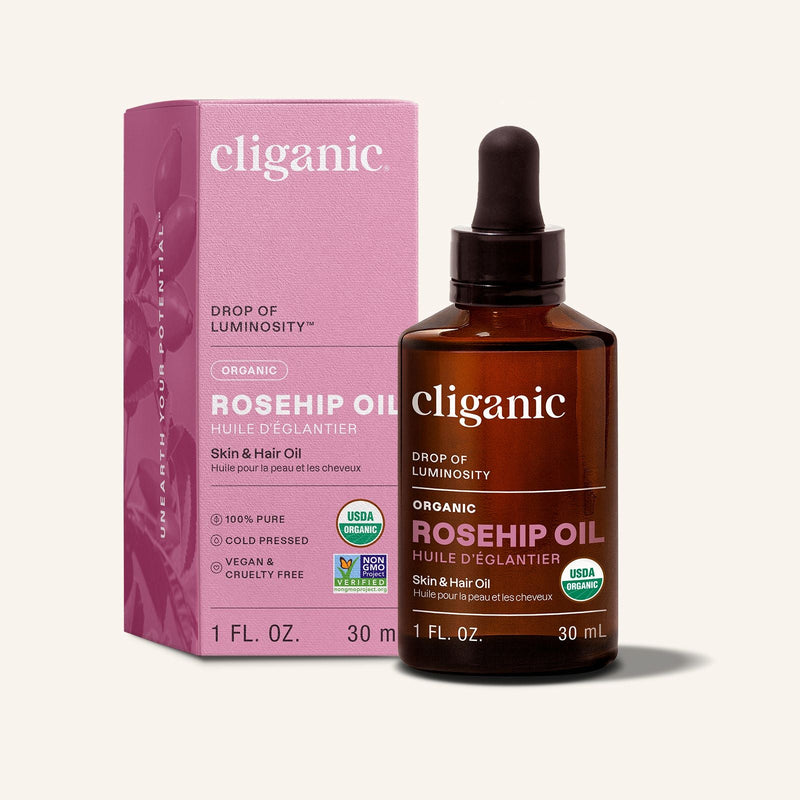
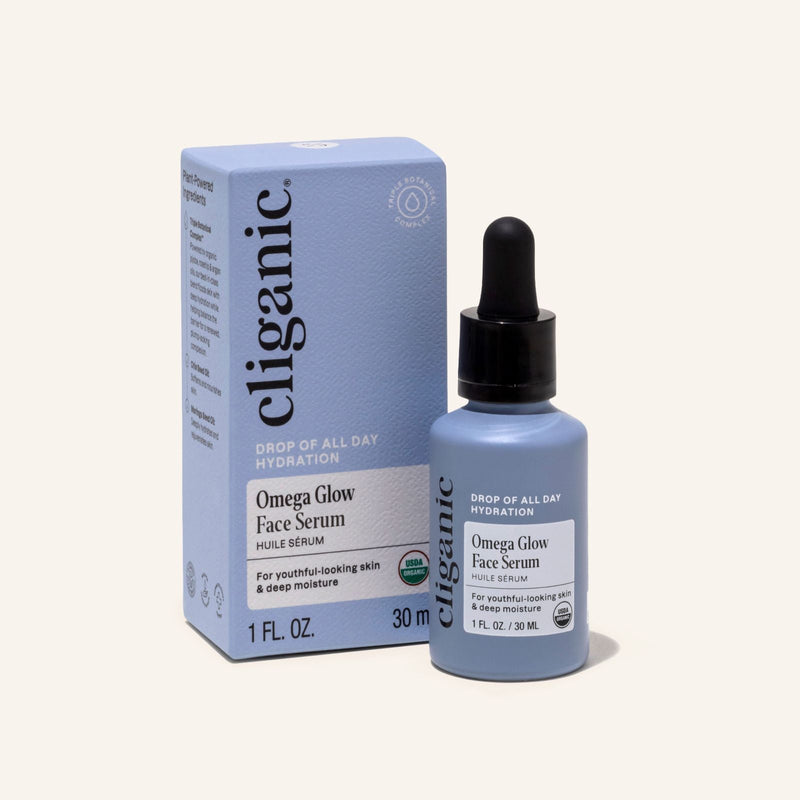
For shoppers looking for ingredient transparency, our Fresh Balance Face Cleanser currently displays vegan and cruelty-free badges. It pairs naturally with single-ingredient oils like Organic Jojoba Oil or Organic Rosehip Oil for a simple, ingredient-first routine. Cliganic also notes that many of its oils are third-party tested, with GC/MS testing supporting purity where applicable.

FAQs
Is vegan skincare the same as cruelty-free?
No. Vegan refers to ingredient sourcing, while cruelty-free relates to animal-testing policies.
Does vegan mean all ingredients are natural?
No. A vegan formula may include natural, synthetic, or naturally derived ingredients.
Can vegan skincare still irritate sensitive skin?
Yes. Any ingredient, including botanical extracts and essential oils, may not suit everyone, so patch testing is recommended.
How can I verify a vegan claim?
Check the ingredient list, product page, certification details, and the brand’s published policies.
Make Shopping Simpler

Understanding vegan skincare doesn’t have to feel complicated. Once you separate ingredient sourcing from animal testing, organic certification, and product performance, labels become much easier to interpret.
If you’re looking for ingredient-first products with clearly presented information, explore our skincare essentials and plant-based oils to build a routine with greater confidence.


