
29 May 2026
The Holy Grail Face Serum: Castor Oil, Jojoba Oil, and Rosehip Recipe

Face oils can feel overwhelming when every bottle promises glowing skin overnight. In reality, the best routines are usually the most repeatable ones.
In this guide, we will explain why castor, jojoba, and rosehip oils work well together, how to mix them properly, and how to customize the texture depending on whether your skin feels dry, shiny, or somewhere in between.
Cliganic’s ingredient-first approach, third-party testing, and GC/MS testing standards help make DIY routines feel more approachable and consistent. By the end, you will better understand this castor oil, jojoba oil, and rosehip recipe, and why people love exploring the benefits of rosehip and jojoba oils for face routines during colder or drier seasons.
Quick Answer: What Does This Serum Do?
At its core, this castor oil, jojoba oil, and rosehip recipe is designed to help skin feel softer, smoother-looking, and more comfortable by helping seal in moisture after your hydrating skincare steps.
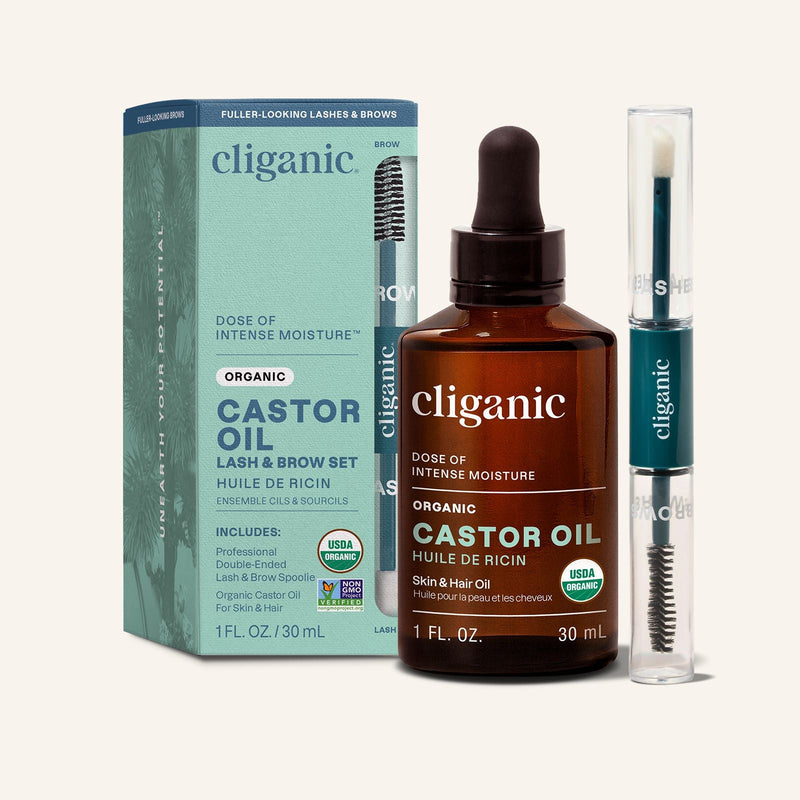
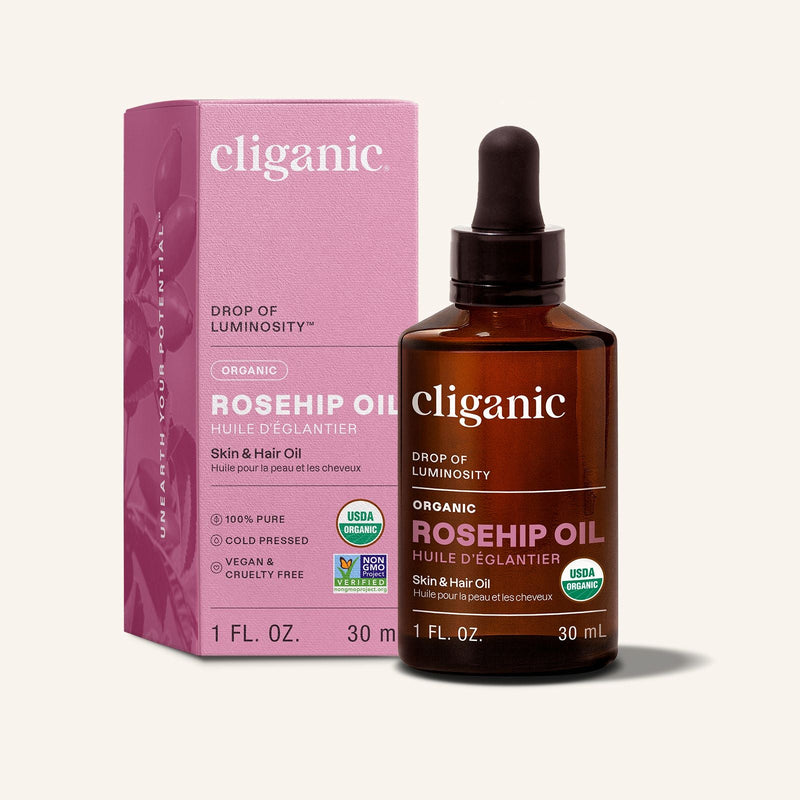
Each oil plays a different role in the blend. Jojoba oil keeps the texture lightweight and wearable. Rosehip oil gives the serum a softer overnight feel, while castor oil adds a little extra “staying power” so the blend does not disappear immediately after application.
The combination tends to work especially well as the final step in a nighttime routine, particularly during colder months when skin often feels tighter or rougher than usual.
The key is to use small amounts consistently rather than applying too much all at once.
Safety First: Before You Mix Anything
Before blending any oils together, it is important to keep the process simple and cautious.
Start by patch testing each oil on your inner arm, then wait 24 hours before applying anything to your face. Once each oil feels comfortable on its own, patch-test the finished blend the same way.
Avoid the eye area, broken skin, and visibly irritated patches. It is also better to start with smaller batches so the oils stay fresher and easier to finish. A 10–20 ml bottle is usually more practical than making a large amount upfront.
If you are pregnant, nursing, under medical care, or managing extremely sensitive skin, consult a healthcare professional before introducing new topical products.
Store the blend in a cool, dark space with the cap tightly closed. If the scent changes noticeably over time, it is usually best to replace the batch.
These simple precautions help keep the routine comfortable instead of stressful.
The Base Recipe (Simple, Balanced, Beginner-Friendly)

Here’s the castor oil, jojoba oil, and rosehip oil recipe we recommend for beginners because it feels balanced, lightweight, and easy to customize later if needed.
Tools You’ll Need
-
Small funnel
-
10–30 ml dropper bottle
-
Label or masking tape
-
Paper towel for cleanup
Starter Ratio
-
60% jojoba oil
-
30% rosehip oil
-
10% castor oil
This balance works well because jojoba oil keeps the blend wearable, rosehip oil creates a softer night-oil texture, and castor oil gives the serum a slightly richer finish without becoming overly sticky.
Exact Measurements
|
Bottle Size |
Jojoba |
Rosehip |
Castor |
|
10 ml |
6 ml |
3 ml |
1 ml |
|
30 ml |
18 ml |
9 ml |
3 ml |
Pour the oils into the bottle, secure the cap tightly, and shake gently before first use. Label the bottle with the date and ratio so you can track what feels best on your skin over time.
Cliganic’s single-ingredient oils also make blending easier because the formulas stay straightforward, third-party tested, and beginner-friendly.
This simplicity helps the routine feel approachable instead of overwhelming.

Customization Guide (Choose by Skin Feel)
Skin changes throughout the year, which is why flexible routines usually work better than rigid ones.
If Your Skin Feels Oily by Noon
Reduce castor oil to around 5% and slightly increase jojoba oil. Jojoba tends to feel lighter and more balanced for combination or shine-prone skin.
If Your Skin Feels Tight or Flaky
Increase rosehip oil slightly to around 35–40% while keeping castor oil below 15%. This usually creates a more cushioned nighttime feel during colder weather.
If You Dislike Sticky Textures
Keep castor oil closer to 5–8% maximum. Even small amounts still help the blend feel protective without creating heaviness.
If Makeup Starts Pilling
Use the serum only at night and reduce the number of drops you apply. Pressing the serum gently into the skin instead of rubbing also helps.
The most important thing is adjusting only one variable at a time. Give your skin at least a week before changing the ratio again.
Slow adjustments usually make routines feel much easier to maintain.
How to Apply (So It Feels Good, Not Greasy)
Application technique matters just as much as the formula itself.
Use the serum as the final skincare step after moisturizer, while your skin is still slightly damp. Start with only two to three drops total.
Warm the oil gently between your palms, then press it into the cheeks and drier areas first. If you tend to get shiny around the nose or chin, use less there.
This blend generally performs best at night because the oils have more time to settle into the skin comfortably. If you use it during the day, keep the amount extremely small and allow a few minutes before sunscreen or makeup.
Most people are surprised by how far just a few drops can go.
3 Easy Routines to Pair With This Serum
Simple routines are usually the ones we consistently stick to.
1. Winter PM Seal
Cleanse your face, apply a hydrating layer, follow with moisturizer, then press two to three drops of the blend onto dry areas. Finish with lip care before bed.
2. Travel Recovery Night
After a long travel day, use a gentle cleanser, apply moisturizer, and then lightly press the blend into the skin before sleeping in a cool room.
3. “Makeup Looked Dry Today” Reset
If makeup suddenly starts emphasizing texture, scale back exfoliation for a few days. At night, apply the blend mainly onto the cheeks and outer corners of the face while the skin is still damp.
These small routines feel effective because they remain realistic rather than overly complicated.
Troubleshooting (Common Issues and Fast Fixes)
Sometimes the formula only needs a small adjustment before it starts feeling better.
-
Too Heavy: Use fewer drops, reduce castor oil, and apply only after moisturizer.
-
Breakout-Prone Areas: Keep the blend focused mainly on drier areas and temporarily simplify the rest of the routine.
-
A Light Layer: Apply to damp skin and press longer rather than rub.
-
Scent Changed: The oils may have oxidized. Replace the batch and store future blends somewhere cooler and darker.
Small tweaks usually solve more problems than completely rebuilding the recipe. Gentle routines almost always feel more sustainable over time.
FAQs
Can I use this serum every night?
Many people can. If you are learning to use rosehip oil in your face routine, start with 3 nights weekly and build gradually based on how your skin responds.
Do I need essential oils in the blend?
Not at all. Keeping the formula simple often works best, especially for sensitive-feeling skin.
How long will one bottle last?
That depends on bottle size and how many drops you use nightly. Smaller batches usually stay fresher and are easier to finish.
Can I layer this with active skincare products?
Yes, but sensitive skin may prefer alternating nights at first. Apply the oil blend as the final step after moisturizers and treatments.
Simple layering usually helps the routine stay comfortable and balanced.
Cliganic’s Face Rescue

Good skincare routines do not need fifteen complicated products to feel effective. Start small, use only a few drops at night, and adjust the ratio based on how your skin actually feels.
Cliganic’s single-ingredient oils, third-party testing, and GC/MS testing standards help make DIY skincare feel approachable without unnecessary complexity.
Keep this castor oil, jojoba oil, and rosehip recipe nearby whenever your skin needs a softer-looking overnight reset.


