16 May 2026
Sweet Almond Oil: The Complete Skin and Hair Care Guide

We all reach a point where we want one product that simply works. Something that softens dry skin, smooths hair, and fits into a routine without overcomplicating it. This is exactly where sweet almond oil earns its place. It’s one of those quiet staples that doesn’t demand attention but consistently delivers a softer, more put-together feel.
In this guide, we’ll walk through what sweet almond oil is, how it feels, and how to use it across skin, hair, and everyday routines without overdoing it. If you’ve been looking for something simple and reliable, this is where it starts and where the real sweet almond oil benefits show up in daily use.
What Is Sweet Almond Oil?
Sweet almond oil is a plant-derived carrier oil pressed from almonds. It’s known for its smooth glide and medium-weight texture, which makes it easy to spread without feeling overly heavy. Unlike thicker oils, it sits comfortably on the skin and absorbs steadily, leaving a soft, conditioned feel.
Because of this balance, it’s often used for body care, massage, and light hair finishing. With this baseline in mind, let’s look at why it continues to be such a dependable staple.
Why It’s a Staple: Texture, Glide, and “Comfort Factor”
Sweet almond oil stands out because of how it feels in real use. It has a silky, medium-weight glide that spreads easily, making it especially practical for body care and massage without requiring much product. After showers, especially in colder months, it helps the skin feel more cushioned and comfortable rather than tight or dry.
When used sparingly, it also works well on hair, helping reduce the appearance of dryness at the ends while adding a soft, natural-looking finish.
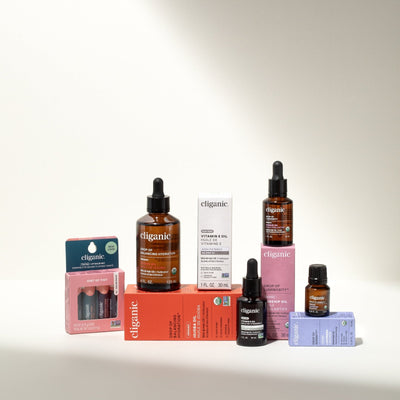
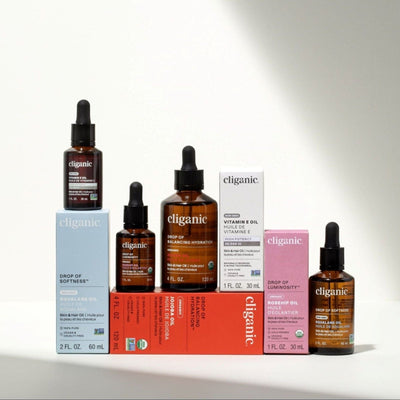
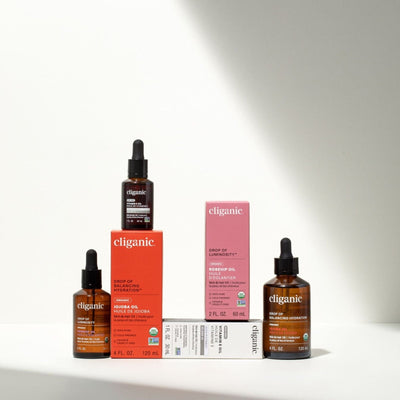
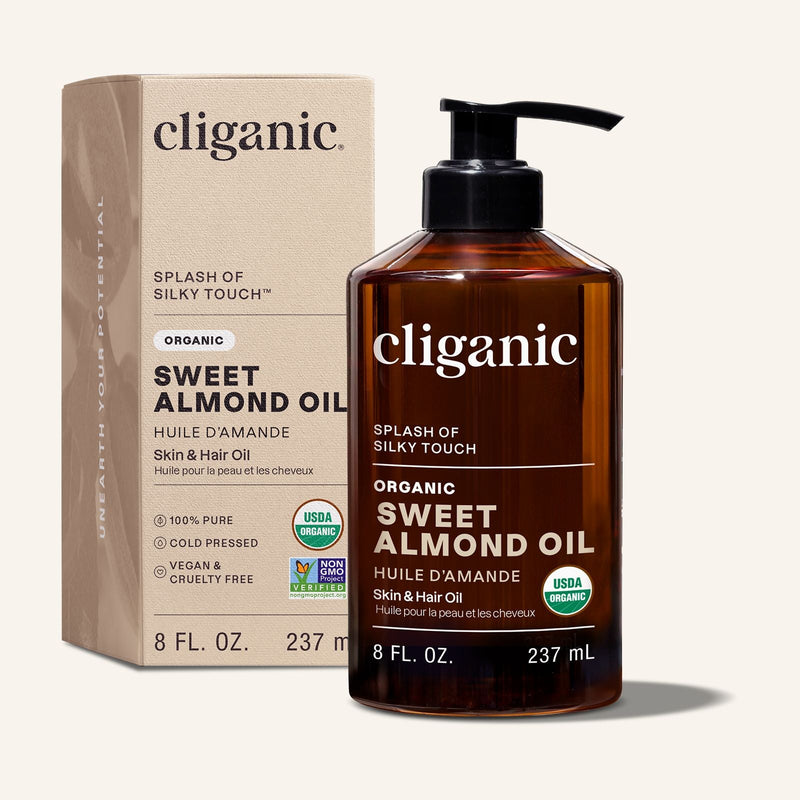
From a quality standpoint, this is where Cliganic’s approach matters. Our carrier oils focus on single-ingredient clarity, are third-party tested for purity, and are organic, where applicable. We have also moved toward GC/MS testing, which adds another layer of verification for identity and quality, helping ensure the consistency you can rely on in everyday routines.
Safety and Smart Use (Face, Body, Hair)

When using sweet almond oil, we always recommend starting with a patch test, especially for those with nut sensitivities, to ensure the skin responds comfortably.
We keep the application minimal at first, since a few drops go a long way, and build gradually if needed. It’s important to avoid sensitive areas like the eyes and mucous membranes, and to discontinue use if any irritation occurs.
If we’re blending with essential oils, it is important to dilute properly and keep formulas simple. For storage, we keep the bottle tightly sealed in a cool, dark place and replace it if the scent or texture changes.
Best Ways to Use It on Skin
When it comes to sweet almond oil for skin, the goal is not to overcomplicate things; it’s about simple, repeatable habits that feel good.
1. Post-Shower Body Oil
We apply a small amount while the skin is still slightly damp after a shower. This helps the oil spread more easily and creates a softer, more comfortable finish without needing too much product. Instead of over-applying, we focus on a light, even layer so the skin feels smooth and balanced rather than heavy or coated.
Before moving to targeted areas, this step builds a consistent base for overall skin comfort.
2. Hands and Cuticles Rescue
We use a single drop and gently massage it into the knuckles and cuticles after washing our hands. This helps restore a softer feel, especially when hands are frequently washed or exposed to dry air. We keep the application focused and minimal so it absorbs comfortably without leaving a greasy residue.
Once absorbed, it’s an easy way to maintain softness throughout the day.
3. Massage Base Oil
We warm a small amount between our palms and apply it using slow, steady strokes. The natural glide allows for smooth movement without needing constant reapplication. Instead of adding more right away, we wait until the glide starts to fade before applying another small amount.
This approach keeps the experience controlled and prevents the use of more oil than necessary.
4. Dry-Patch Spot Press
We tap a small amount onto dry areas like elbows, knees, or flaky corners, then gently press it into the skin. This method keeps the application targeted and avoids overcoating the entire area. By focusing only where needed, we create a softer, more even-looking finish without excess buildup. This final step helps refine the routine without adding unnecessary layers.
Once you’re comfortable with skin use, it’s easy to extend the same approach to hair care.
Best Ways to Use It in Hair Care
Hair routines benefit from the same principle: use less and distribute better.
For daily styling, warm a micro-drop between your fingers and smooth it over the ends. This helps reduce the look of dry, brittle hair while keeping the finish light. Avoid applying it to your roots, especially if your hair is fine.
You can also use it as a pre-wash step. Apply a small amount to mid-lengths before shampooing to help maintain a softer feel after washing. For scalp use, keep it minimal and rinse thoroughly to avoid buildup.
The key here is control. The amount you use matters less than how evenly you distribute it.
Now that we’ve covered both skin and hair, it helps to understand how it compares to other oils.
Sweet Almond vs. Other Carrier Oils
Choosing the right oil often comes down to texture and how you want your routine to feel.
Sweet almond oil is ideal when you want glide and a cushioned finish, making it perfect for body care, massage, and seasonal dryness.
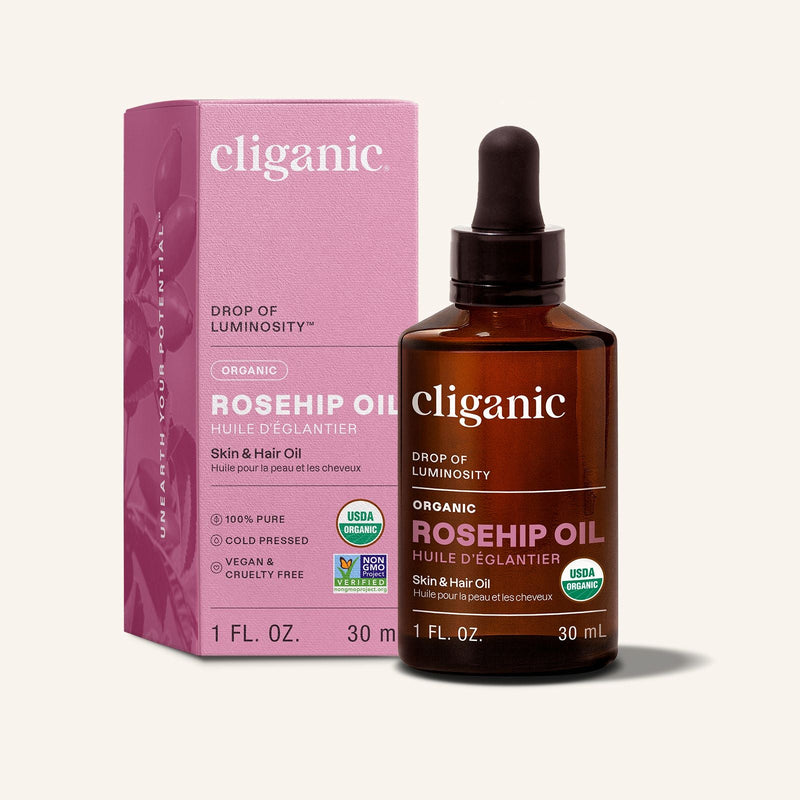
Jojoba works better when you want something lightweight and closer to the skin’s natural feel, especially for daytime facial use. Argan offers a more polished, silky finish, often preferred for hair and delicate areas like the neck. Rosehip is lighter and often chosen for nighttime routines when you want something breathable.
If you’re unsure where to start, keep it simple: use almond oil for the body and a lighter option like jojoba for the face. This balance tends to work well for most routines.
With this clarity in mind, let’s address a few common questions that come up.


FAQs
Can I use it on my face?
Yes, but start small. Use a tiny amount and apply it to specific areas rather than your entire face.
Is it good for a massage?
Yes. Its smooth glide makes it well-suited for massage. Apply gradually and adjust as needed.
Will it weigh hair down?
It can if you use too much of it. Start with a very small amount and focus only on the ends.
How long does it last?
Check the product’s best-by date and replace it if the scent or texture changes over time. Storage matters; make sure the lid of the container is screwed shut properly and store in a cool, dry place.
With these basics covered, it becomes much easier to use this oil with confidence.
A Simple Way to Build Your Routine

If you’re looking for one versatile option that fits easily into everyday routines, sweet almond oil remains a classic for a reason.
Start with the damp-skin body method, try a micro-drop on hair ends, and adjust based on what feels most comfortable. To keep things simple and consistent, explore Cliganic’s carrier oils and build a routine that feels easy to maintain over time.
Related blogs


All Set for Savings